All maps › Treaties › Death penalty
Is the death penalty abolished by treaty in your country?
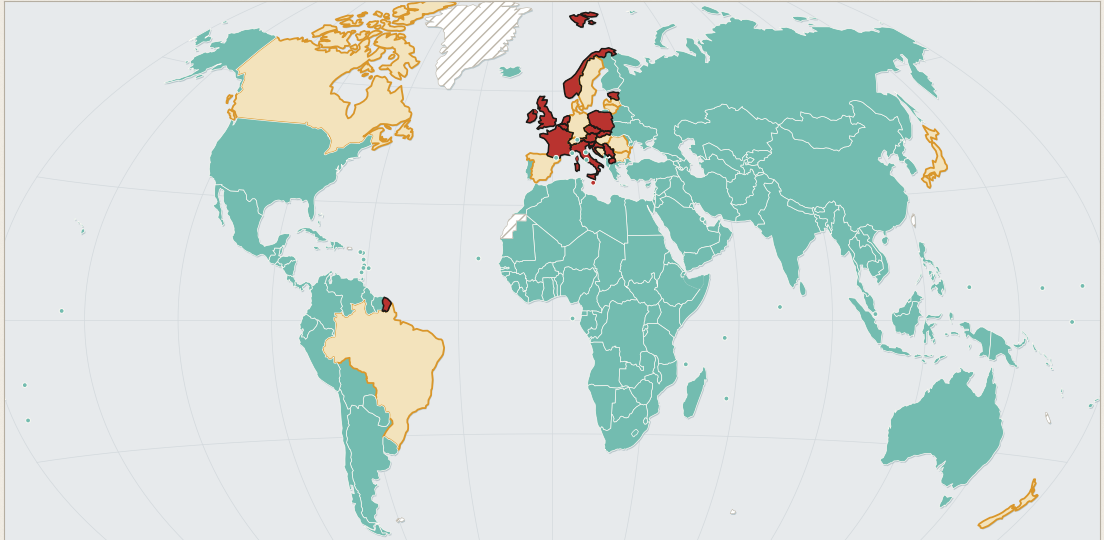
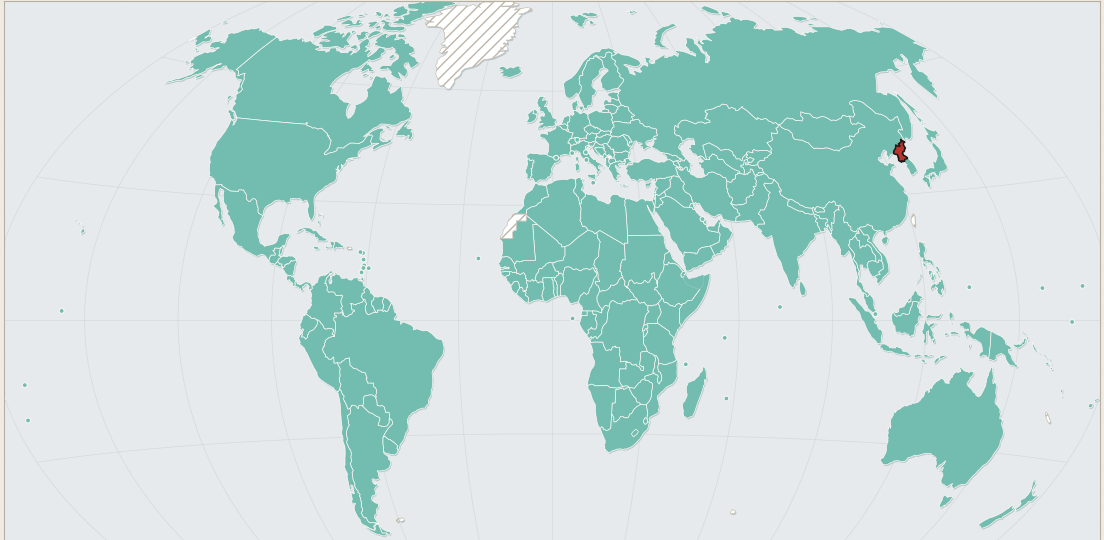
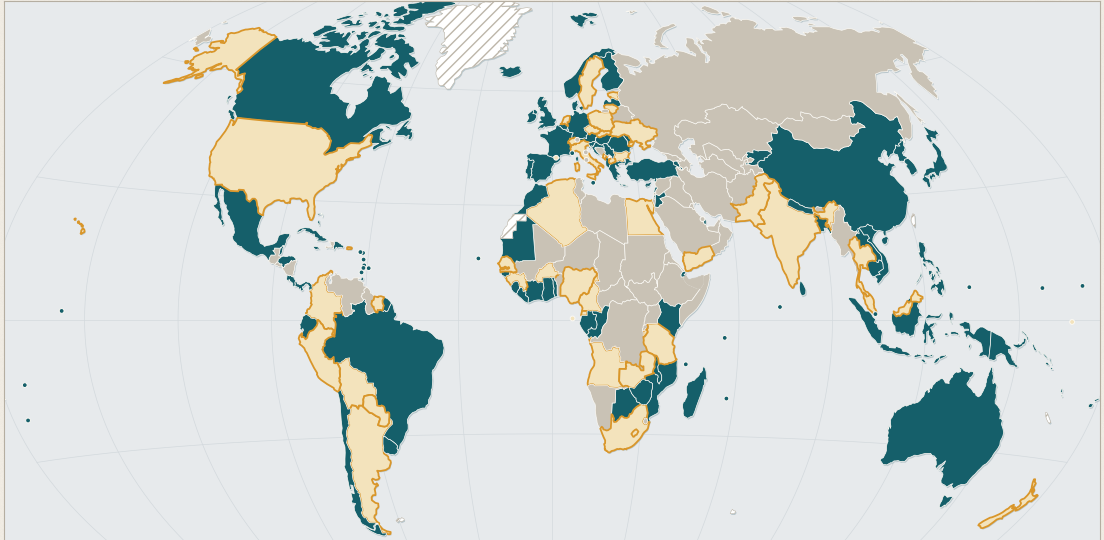
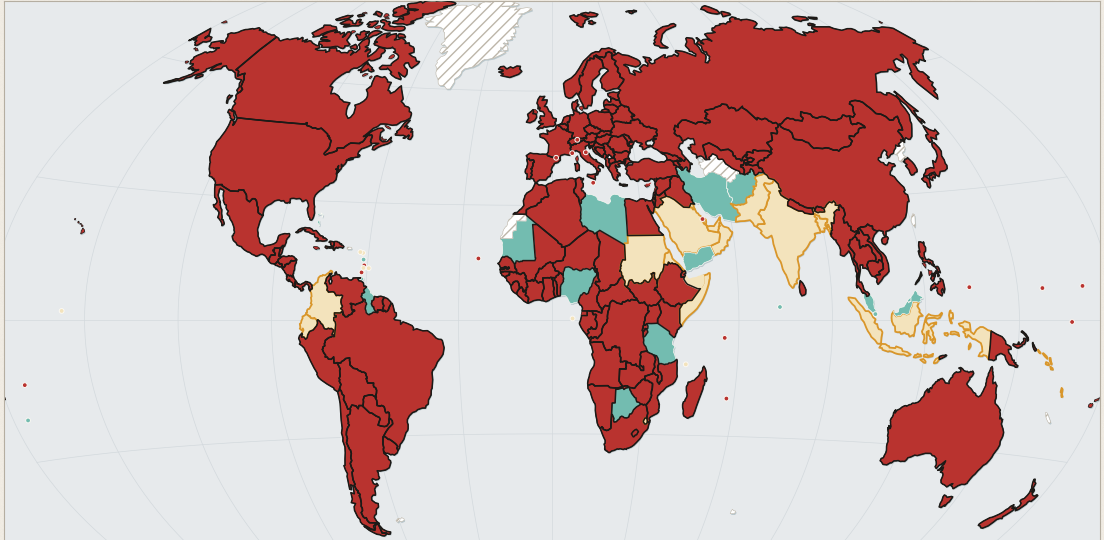
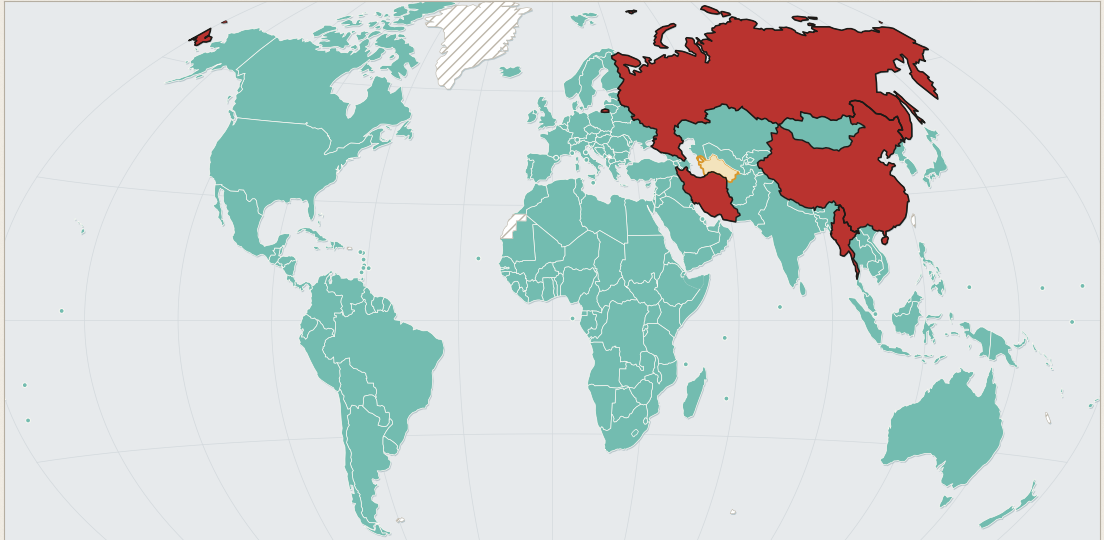
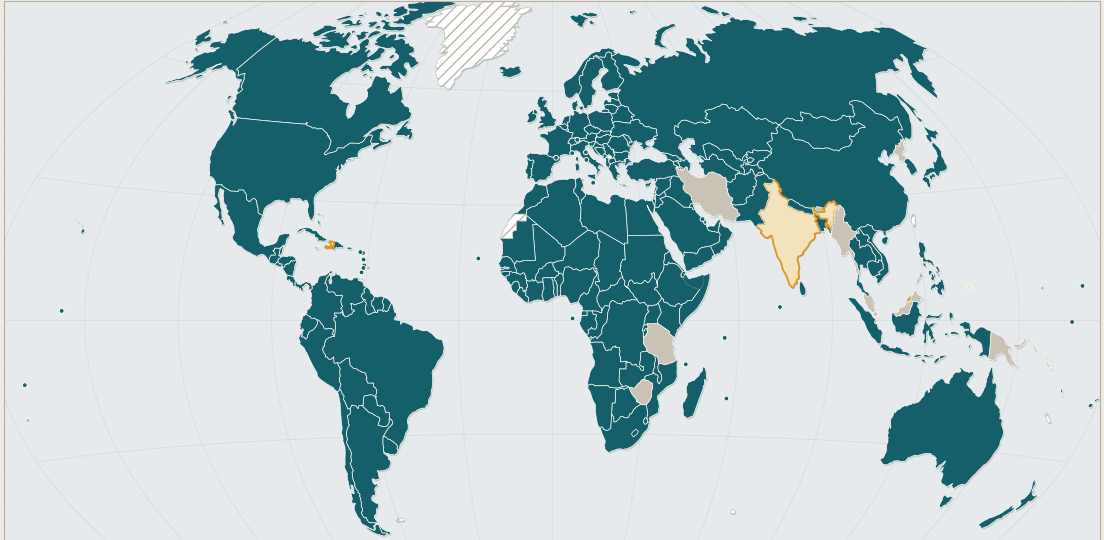
The 2026 map of where the death penalty is abolished by the UN treaty, published Nov 10, 2026. Sources
The treaty has 92 parties, all of them among the 195 countries this map rates.
Sources: UN Treaty Collection, 10 Nov 2026 · OHCHR · How we rate it
Is it banned where you live? Check your countryBanned in 92 countries
Joined the UN treaty abolishing the death penalty in 2007. No one under its jurisdiction may be executed (art. 1). The only exception the treaty allows is a reservation, made when joining, for the most serious military crimes in wartime (art. 2), and the treaty has no exit clause.
Source: UN Treaty Collection, 10 Nov 2026
Why we rate it this way
State Party to the UN treaty abolishing the death penalty (Second Optional Protocol to the ICCPR, 1989); acceded 17 Oct 2007 (UNTC IV-12 status page, as at 10 Nov 2026).
Joined the UN treaty abolishing the death penalty in 2006. No one under its jurisdiction may be executed (art. 1). The only exception the treaty allows is a reservation, made when joining, for the most serious military crimes in wartime (art. 2), and the treaty has no exit clause.
Source: UN Treaty Collection, 10 Nov 2026
Why we rate it this way
State Party to the UN treaty abolishing the death penalty (Second Optional Protocol to the ICCPR, 1989); signed 5 Aug 2002, ratified 22 Sep 2006 (UNTC IV-12 status page, as at 10 Nov 2026).
Joined the UN treaty abolishing the death penalty in 2019. No one under its jurisdiction may be executed (art. 1). The only exception the treaty allows is a reservation, made when joining, for the most serious military crimes in wartime (art. 2), and the treaty has no exit clause.
Source: UN Treaty Collection, 10 Nov 2026
Why we rate it this way
State Party to the UN treaty abolishing the death penalty (Second Optional Protocol to the ICCPR, 1989); signed 24 Sep 2013, ratified 2 Oct 2019 (UNTC IV-12 status page, as at 10 Nov 2026).
Joined the UN treaty abolishing the death penalty in 2008. No one under its jurisdiction may be executed (art. 1). The only exception the treaty allows is a reservation, made when joining, for the most serious military crimes in wartime (art. 2), and the treaty has no exit clause.
Source: UN Treaty Collection, 10 Nov 2026
Why we rate it this way
State Party to the UN treaty abolishing the death penalty (Second Optional Protocol to the ICCPR, 1989); signed 20 Dec 2006, ratified 2 Sep 2008 (UNTC IV-12 status page, as at 10 Nov 2026).
Joined the UN treaty abolishing the death penalty in 2021. No one under its jurisdiction may be executed (art. 1). The only exception the treaty allows is a reservation, made when joining, for the most serious military crimes in wartime (art. 2), and the treaty has no exit clause.
Source: UN Treaty Collection, 10 Nov 2026
Why we rate it this way
State Party to the UN treaty abolishing the death penalty (Second Optional Protocol to the ICCPR, 1989); signed 26 Sep 2019, ratified 18 Mar 2021 (UNTC IV-12 status page, as at 10 Nov 2026).
Joined the UN treaty abolishing the death penalty in 1990. No one under its jurisdiction may be executed (art. 1). The only exception the treaty allows is a reservation, made when joining, for the most serious military crimes in wartime (art. 2), and the treaty has no exit clause.
Source: UN Treaty Collection, 10 Nov 2026
Why we rate it this way
State Party to the UN treaty abolishing the death penalty (Second Optional Protocol to the ICCPR, 1989); acceded 2 Oct 1990 (UNTC IV-12 status page, as at 10 Nov 2026).
Joined the UN treaty abolishing the death penalty in 1993. No one under its jurisdiction may be executed (art. 1). The only exception the treaty allows is a reservation, made when joining, for the most serious military crimes in wartime (art. 2), and the treaty has no exit clause.
Source: UN Treaty Collection, 10 Nov 2026
Why we rate it this way
State Party to the UN treaty abolishing the death penalty (Second Optional Protocol to the ICCPR, 1989); signed 8 Apr 1991, ratified 2 Mar 1993 (UNTC IV-12 status page, as at 10 Nov 2026).
Joined the UN treaty abolishing the death penalty in 1999. No one under its jurisdiction may be executed (art. 1). The only exception the treaty allows is a reservation, made when joining, for the most serious military crimes in wartime (art. 2), and the treaty has no exit clause.
Source: UN Treaty Collection, 10 Nov 2026
Why we rate it this way
State Party to the UN treaty abolishing the death penalty (Second Optional Protocol to the ICCPR, 1989); acceded 22 Jan 1999 (UNTC IV-12 status page, as at 10 Nov 2026).
Joined the UN treaty abolishing the death penalty in 1998. No one under its jurisdiction may be executed (art. 1). The only exception the treaty allows is a reservation, made when joining, for the most serious military crimes in wartime (art. 2), and the treaty has no exit clause.
Source: UN Treaty Collection, 10 Nov 2026
Why we rate it this way
State Party to the UN treaty abolishing the death penalty (Second Optional Protocol to the ICCPR, 1989); signed 12 Jul 1990, ratified 8 Dec 1998 (UNTC IV-12 status page, as at 10 Nov 2026).
Joined the UN treaty abolishing the death penalty in 2012. No one under its jurisdiction may be executed (art. 1). The only exception the treaty allows is a reservation, made when joining, for the most serious military crimes in wartime (art. 2), and the treaty has no exit clause.
Source: UN Treaty Collection, 10 Nov 2026
Why we rate it this way
State Party to the UN treaty abolishing the death penalty (Second Optional Protocol to the ICCPR, 1989); acceded 5 Jul 2012 (UNTC IV-12 status page, as at 10 Nov 2026).
Joined the UN treaty abolishing the death penalty in 2013. No one under its jurisdiction may be executed (art. 1). The only exception the treaty allows is a reservation, made when joining, for the most serious military crimes in wartime (art. 2), and the treaty has no exit clause.
Source: UN Treaty Collection, 10 Nov 2026
Why we rate it this way
State Party to the UN treaty abolishing the death penalty (Second Optional Protocol to the ICCPR, 1989); acceded 12 Jul 2013 (UNTC IV-12 status page, as at 10 Nov 2026).
Joined the UN treaty abolishing the death penalty in 2001. No one under its jurisdiction may be executed (art. 1). The only exception the treaty allows is a reservation, made when joining, for the most serious military crimes in wartime (art. 2), and the treaty has no exit clause.
Source: UN Treaty Collection, 10 Nov 2026
Why we rate it this way
State Party to the UN treaty abolishing the death penalty (Second Optional Protocol to the ICCPR, 1989); signed 7 Sep 2000, ratified 16 Mar 2001 (UNTC IV-12 status page, as at 10 Nov 2026).
Joined the UN treaty abolishing the death penalty in 2009. No one under its jurisdiction may be executed (art. 1). The only exception the treaty allows is a reservation, made when joining, for the most serious military crimes in wartime (art. 2), and the treaty has no exit clause.
Source: UN Treaty Collection, 10 Nov 2026
Why we rate it this way
State Party to the UN treaty abolishing the death penalty (Second Optional Protocol to the ICCPR, 1989); acceded 25 Sep 2009 (UNTC IV-12 status page, as at 10 Nov 2026).
Joined the UN treaty abolishing the death penalty in 1999. No one under its jurisdiction may be executed (art. 1). The only exception the treaty allows is a reservation, made when joining, for the most serious military crimes in wartime (art. 2), and the treaty has no exit clause.
Source: UN Treaty Collection, 10 Nov 2026
Why we rate it this way
State Party to the UN treaty abolishing the death penalty (Second Optional Protocol to the ICCPR, 1989); signed 11 Mar 1999, ratified 10 Aug 1999 (UNTC IV-12 status page, as at 10 Nov 2026).
Joined the UN treaty abolishing the death penalty in 2005. No one under its jurisdiction may be executed (art. 1). The only exception the treaty allows is a reservation, made when joining, for the most serious military crimes in wartime (art. 2), and the treaty has no exit clause.
Source: UN Treaty Collection, 10 Nov 2026
Why we rate it this way
State Party to the UN treaty abolishing the death penalty (Second Optional Protocol to the ICCPR, 1989); acceded 25 Nov 2005 (UNTC IV-12 status page, as at 10 Nov 2026).
Joined the UN treaty abolishing the death penalty in 2000. No one under its jurisdiction may be executed (art. 1). The only exception the treaty allows is a reservation, made when joining, for the most serious military crimes in wartime (art. 2), and the treaty has no exit clause.
Source: UN Treaty Collection, 10 Nov 2026
Why we rate it this way
State Party to the UN treaty abolishing the death penalty (Second Optional Protocol to the ICCPR, 1989); acceded 19 May 2000 (UNTC IV-12 status page, as at 10 Nov 2026).
Joined the UN treaty abolishing the death penalty in 2008. No one under its jurisdiction may be executed (art. 1). The only exception the treaty allows is a reservation, made when joining, for the most serious military crimes in wartime (art. 2), and the treaty has no exit clause.
Source: UN Treaty Collection, 10 Nov 2026
Why we rate it this way
State Party to the UN treaty abolishing the death penalty (Second Optional Protocol to the ICCPR, 1989); signed 15 Nov 2001, ratified 26 Sep 2008 (UNTC IV-12 status page, as at 10 Nov 2026).
Joined the UN treaty abolishing the death penalty in 1997. No one under its jurisdiction may be executed (art. 1). The only exception the treaty allows is a reservation, made when joining, for the most serious military crimes in wartime (art. 2), and the treaty has no exit clause.
Source: UN Treaty Collection, 10 Nov 2026
Why we rate it this way
State Party to the UN treaty abolishing the death penalty (Second Optional Protocol to the ICCPR, 1989); acceded 5 Aug 1997 (UNTC IV-12 status page, as at 10 Nov 2026).
Joined the UN treaty abolishing the death penalty in 1998. No one under its jurisdiction may be executed (art. 1). The only exception the treaty allows is a reservation, made when joining, for the most serious military crimes in wartime (art. 2), and the treaty has no exit clause.
Source: UN Treaty Collection, 10 Nov 2026
Why we rate it this way
State Party to the UN treaty abolishing the death penalty (Second Optional Protocol to the ICCPR, 1989); signed 14 Feb 1990, ratified 5 Jun 1998 (UNTC IV-12 status page, as at 10 Nov 2026).
Joined the UN treaty abolishing the death penalty in 1995. No one under its jurisdiction may be executed (art. 1). The only exception the treaty allows is a reservation, made when joining, for the most serious military crimes in wartime (art. 2), and the treaty has no exit clause.
Source: UN Treaty Collection, 10 Nov 2026
Why we rate it this way
State Party to the UN treaty abolishing the death penalty (Second Optional Protocol to the ICCPR, 1989); acceded 12 Oct 1995 (UNTC IV-12 status page, as at 10 Nov 2026).
Joined the UN treaty abolishing the death penalty in 1999. No one under its jurisdiction may be executed (art. 1). The only exception the treaty allows is a reservation, made when joining, for the most serious military crimes in wartime (art. 2), and the treaty has no exit clause.
Source: UN Treaty Collection, 10 Nov 2026
Why we rate it this way
State Party to the UN treaty abolishing the death penalty (Second Optional Protocol to the ICCPR, 1989); acceded 10 Sep 1999 (UNTC IV-12 status page, as at 10 Nov 2026).
Joined the UN treaty abolishing the death penalty in 2004. No one under its jurisdiction may be executed (art. 1). The only exception the treaty allows is a reservation, made when joining, for the most serious military crimes in wartime (art. 2), and the treaty has no exit clause.
Source: UN Treaty Collection, 10 Nov 2026
Why we rate it this way
State Party to the UN treaty abolishing the death penalty (Second Optional Protocol to the ICCPR, 1989); acceded 15 Jun 2004 (UNTC IV-12 status page, as at 10 Nov 2026).
Joined the UN treaty abolishing the death penalty in 2024. No one under its jurisdiction may be executed (art. 1). The only exception the treaty allows is a reservation, made when joining, for the most serious military crimes in wartime (art. 2), and the treaty has no exit clause.
Source: UN Treaty Collection, 10 Nov 2026
Why we rate it this way
State Party to the UN treaty abolishing the death penalty (Second Optional Protocol to the ICCPR, 1989); acceded 3 May 2024 (UNTC IV-12 status page, as at 10 Nov 2026). Acceded 3 May 2024.
Joined the UN treaty abolishing the death penalty in 1994. No one under its jurisdiction may be executed (art. 1). The only exception the treaty allows is a reservation, made when joining, for the most serious military crimes in wartime (art. 2), and the treaty has no exit clause.
Source: UN Treaty Collection, 10 Nov 2026
Why we rate it this way
State Party to the UN treaty abolishing the death penalty (Second Optional Protocol to the ICCPR, 1989); signed 13 Feb 1990, ratified 24 Feb 1994 (UNTC IV-12 status page, as at 10 Nov 2026).
Joined the UN treaty abolishing the death penalty in 2002. No one under its jurisdiction may be executed (art. 1). The only exception the treaty allows is a reservation, made when joining, for the most serious military crimes in wartime (art. 2), and the treaty has no exit clause.
Source: UN Treaty Collection, 10 Nov 2026
Why we rate it this way
State Party to the UN treaty abolishing the death penalty (Second Optional Protocol to the ICCPR, 1989); acceded 5 Nov 2002 (UNTC IV-12 status page, as at 10 Nov 2026).
Joined the UN treaty abolishing the death penalty in 2016. No one under its jurisdiction may be executed (art. 1). The only exception the treaty allows is a reservation, made when joining, for the most serious military crimes in wartime (art. 2), and the treaty has no exit clause.
Source: UN Treaty Collection, 10 Nov 2026
Why we rate it this way
State Party to the UN treaty abolishing the death penalty (Second Optional Protocol to the ICCPR, 1989); acceded 21 Sep 2016 (UNTC IV-12 status page, as at 10 Nov 2026).
Joined the UN treaty abolishing the death penalty in 1993. No one under its jurisdiction may be executed (art. 1). The only exception the treaty allows is a reservation, made when joining, for the most serious military crimes in wartime (art. 2), and the treaty has no exit clause.
Source: UN Treaty Collection, 10 Nov 2026
Why we rate it this way
State Party to the UN treaty abolishing the death penalty (Second Optional Protocol to the ICCPR, 1989); acceded 23 Feb 1993 (UNTC IV-12 status page, as at 10 Nov 2026).
Joined the UN treaty abolishing the death penalty in 2014. No one under its jurisdiction may be executed (art. 1). The only exception the treaty allows is a reservation, made when joining, for the most serious military crimes in wartime (art. 2), and the treaty has no exit clause.
Source: UN Treaty Collection, 10 Nov 2026
Why we rate it this way
State Party to the UN treaty abolishing the death penalty (Second Optional Protocol to the ICCPR, 1989); acceded 8 Apr 2014 (UNTC IV-12 status page, as at 10 Nov 2026).
Joined the UN treaty abolishing the death penalty in 2004. No one under its jurisdiction may be executed (art. 1). The only exception the treaty allows is a reservation, made when joining, for the most serious military crimes in wartime (art. 2), and the treaty has no exit clause.
Source: UN Treaty Collection, 10 Nov 2026
Why we rate it this way
State Party to the UN treaty abolishing the death penalty (Second Optional Protocol to the ICCPR, 1989); acceded 30 Jan 2004 (UNTC IV-12 status page, as at 10 Nov 2026).
Joined the UN treaty abolishing the death penalty in 1991. No one under its jurisdiction may be executed (art. 1). The only exception the treaty allows is a reservation, made when joining, for the most serious military crimes in wartime (art. 2), and the treaty has no exit clause.
Source: UN Treaty Collection, 10 Nov 2026
Why we rate it this way
State Party to the UN treaty abolishing the death penalty (Second Optional Protocol to the ICCPR, 1989); signed 13 Feb 1990, ratified 4 Apr 1991 (UNTC IV-12 status page, as at 10 Nov 2026).
Joined the UN treaty abolishing the death penalty in 2007. No one under its jurisdiction may be executed (art. 1). The only exception the treaty allows is a reservation, made when joining, for the most serious military crimes in wartime (art. 2), and the treaty has no exit clause.
Source: UN Treaty Collection, 10 Nov 2026
Why we rate it this way
State Party to the UN treaty abolishing the death penalty (Second Optional Protocol to the ICCPR, 1989); acceded 2 Oct 2007 (UNTC IV-12 status page, as at 10 Nov 2026).
Joined the UN treaty abolishing the death penalty in 2014. No one under its jurisdiction may be executed (art. 1). The only exception the treaty allows is a reservation, made when joining, for the most serious military crimes in wartime (art. 2), and the treaty has no exit clause.
Source: UN Treaty Collection, 10 Nov 2026
Why we rate it this way
State Party to the UN treaty abolishing the death penalty (Second Optional Protocol to the ICCPR, 1989); acceded 2 Apr 2014 (UNTC IV-12 status page, as at 10 Nov 2026).
Joined the UN treaty abolishing the death penalty in 2018. No one under its jurisdiction may be executed (art. 1). The only exception the treaty allows is a reservation, made when joining, for the most serious military crimes in wartime (art. 2), and the treaty has no exit clause.
Source: UN Treaty Collection, 10 Nov 2026
Why we rate it this way
State Party to the UN treaty abolishing the death penalty (Second Optional Protocol to the ICCPR, 1989); signed 20 Sep 2017, ratified 28 Sep 2018 (UNTC IV-12 status page, as at 10 Nov 2026).
Joined the UN treaty abolishing the death penalty in 1999. No one under its jurisdiction may be executed (art. 1). The only exception the treaty allows is a reservation, made when joining, for the most serious military crimes in wartime (art. 2), and the treaty has no exit clause.
Source: UN Treaty Collection, 10 Nov 2026
Why we rate it this way
State Party to the UN treaty abolishing the death penalty (Second Optional Protocol to the ICCPR, 1989); acceded 22 Mar 1999 (UNTC IV-12 status page, as at 10 Nov 2026).
Joined the UN treaty abolishing the death penalty in 1992. No one under its jurisdiction may be executed (art. 1). The only exception the treaty allows is a reservation, made when joining, for the most serious military crimes in wartime (art. 2), and the treaty has no exit clause.
Source: UN Treaty Collection, 10 Nov 2026
Why we rate it this way
State Party to the UN treaty abolishing the death penalty (Second Optional Protocol to the ICCPR, 1989); signed 13 Feb 1990, ratified 18 Aug 1992 (UNTC IV-12 status page, as at 10 Nov 2026).
Joined the UN treaty abolishing the death penalty in 1997. No one under its jurisdiction may be executed (art. 1). The only exception the treaty allows is a reservation, made when joining, for the most serious military crimes in wartime (art. 2), and the treaty has no exit clause.
Source: UN Treaty Collection, 10 Nov 2026
Why we rate it this way
State Party to the UN treaty abolishing the death penalty (Second Optional Protocol to the ICCPR, 1989); acceded 5 May 1997 (UNTC IV-12 status page, as at 10 Nov 2026).
Joined the UN treaty abolishing the death penalty in 2013. No one under its jurisdiction may be executed (art. 1). The only exception the treaty allows is a reservation, made when joining, for the most serious military crimes in wartime (art. 2), and the treaty has no exit clause.
Source: UN Treaty Collection, 10 Nov 2026
Why we rate it this way
State Party to the UN treaty abolishing the death penalty (Second Optional Protocol to the ICCPR, 1989); signed 12 Sep 2000, ratified 24 Sep 2013 (UNTC IV-12 status page, as at 10 Nov 2026).
Joined the UN treaty abolishing the death penalty in 2008. No one under its jurisdiction may be executed (art. 1). The only exception the treaty allows is a reservation, made when joining, for the most serious military crimes in wartime (art. 2), and the treaty has no exit clause.
Source: UN Treaty Collection, 10 Nov 2026
Why we rate it this way
State Party to the UN treaty abolishing the death penalty (Second Optional Protocol to the ICCPR, 1989); signed 10 May 1990, ratified 1 Apr 2008 (UNTC IV-12 status page, as at 10 Nov 2026).
Joined the UN treaty abolishing the death penalty in 1994. No one under its jurisdiction may be executed (art. 1). The only exception the treaty allows is a reservation, made when joining, for the most serious military crimes in wartime (art. 2), and the treaty has no exit clause.
Source: UN Treaty Collection, 10 Nov 2026
Why we rate it this way
State Party to the UN treaty abolishing the death penalty (Second Optional Protocol to the ICCPR, 1989); acceded 24 Feb 1994 (UNTC IV-12 status page, as at 10 Nov 2026).
Joined the UN treaty abolishing the death penalty in 1991. No one under its jurisdiction may be executed (art. 1). The only exception the treaty allows is a reservation, made when joining, for the most serious military crimes in wartime (art. 2), and the treaty has no exit clause.
Source: UN Treaty Collection, 10 Nov 2026
Why we rate it this way
State Party to the UN treaty abolishing the death penalty (Second Optional Protocol to the ICCPR, 1989); signed 30 Jan 1991, ratified 2 Apr 1991 (UNTC IV-12 status page, as at 10 Nov 2026).
Joined the UN treaty abolishing the death penalty in 1993. No one under its jurisdiction may be executed (art. 1). The only exception the treaty allows is a reservation, made when joining, for the most serious military crimes in wartime (art. 2), and the treaty has no exit clause.
Source: UN Treaty Collection, 10 Nov 2026
Why we rate it this way
State Party to the UN treaty abolishing the death penalty (Second Optional Protocol to the ICCPR, 1989); acceded 18 Jun 1993 (UNTC IV-12 status page, as at 10 Nov 2026).
Joined the UN treaty abolishing the death penalty in 1995. No one under its jurisdiction may be executed (art. 1). The only exception the treaty allows is a reservation, made when joining, for the most serious military crimes in wartime (art. 2), and the treaty has no exit clause.
Source: UN Treaty Collection, 10 Nov 2026
Why we rate it this way
State Party to the UN treaty abolishing the death penalty (Second Optional Protocol to the ICCPR, 1989); signed 13 Feb 1990, ratified 14 Feb 1995 (UNTC IV-12 status page, as at 10 Nov 2026).
Joined the UN treaty abolishing the death penalty in 2022. No one under its jurisdiction may be executed (art. 1). The only exception the treaty allows is a reservation, made when joining, for the most serious military crimes in wartime (art. 2), and the treaty has no exit clause.
Source: UN Treaty Collection, 10 Nov 2026
Why we rate it this way
State Party to the UN treaty abolishing the death penalty (Second Optional Protocol to the ICCPR, 1989); signed 23 Sep 2020, ratified 24 Mar 2022 (UNTC IV-12 status page, as at 10 Nov 2026). Ratified 24 Mar 2022.
Joined the UN treaty abolishing the death penalty in 2010. No one under its jurisdiction may be executed (art. 1). The only exception the treaty allows is a reservation, made when joining, for the most serious military crimes in wartime (art. 2), and the treaty has no exit clause.
Source: UN Treaty Collection, 10 Nov 2026
Why we rate it this way
State Party to the UN treaty abolishing the death penalty (Second Optional Protocol to the ICCPR, 1989); acceded 6 Dec 2010 (UNTC IV-12 status page, as at 10 Nov 2026).
Joined the UN treaty abolishing the death penalty in 2013. No one under its jurisdiction may be executed (art. 1). The only exception the treaty allows is a reservation, made when joining, for the most serious military crimes in wartime (art. 2), and the treaty has no exit clause.
Source: UN Treaty Collection, 10 Nov 2026
Why we rate it this way
State Party to the UN treaty abolishing the death penalty (Second Optional Protocol to the ICCPR, 1989); acceded 19 Apr 2013 (UNTC IV-12 status page, as at 10 Nov 2026).
Joined the UN treaty abolishing the death penalty in 2005. No one under its jurisdiction may be executed (art. 1). The only exception the treaty allows is a reservation, made when joining, for the most serious military crimes in wartime (art. 2), and the treaty has no exit clause.
Source: UN Treaty Collection, 10 Nov 2026
Why we rate it this way
State Party to the UN treaty abolishing the death penalty (Second Optional Protocol to the ICCPR, 1989); acceded 16 Sep 2005 (UNTC IV-12 status page, as at 10 Nov 2026).
Joined the UN treaty abolishing the death penalty in 1998. No one under its jurisdiction may be executed (art. 1). The only exception the treaty allows is a reservation, made when joining, for the most serious military crimes in wartime (art. 2), and the treaty has no exit clause.
Source: UN Treaty Collection, 10 Nov 2026
Why we rate it this way
State Party to the UN treaty abolishing the death penalty (Second Optional Protocol to the ICCPR, 1989); acceded 10 Dec 1998 (UNTC IV-12 status page, as at 10 Nov 2026).
Joined the UN treaty abolishing the death penalty in 2002. No one under its jurisdiction may be executed (art. 1). The only exception the treaty allows is a reservation, made when joining, for the most serious military crimes in wartime (art. 2), and the treaty has no exit clause.
Source: UN Treaty Collection, 10 Nov 2026
Why we rate it this way
State Party to the UN treaty abolishing the death penalty (Second Optional Protocol to the ICCPR, 1989); signed 8 Sep 2000, ratified 27 Mar 2002 (UNTC IV-12 status page, as at 10 Nov 2026).
Joined the UN treaty abolishing the death penalty in 1992. No one under its jurisdiction may be executed (art. 1). The only exception the treaty allows is a reservation, made when joining, for the most serious military crimes in wartime (art. 2), and the treaty has no exit clause.
Source: UN Treaty Collection, 10 Nov 2026
Why we rate it this way
State Party to the UN treaty abolishing the death penalty (Second Optional Protocol to the ICCPR, 1989); signed 13 Feb 1990, ratified 12 Feb 1992 (UNTC IV-12 status page, as at 10 Nov 2026).
Joined the UN treaty abolishing the death penalty in 2017. No one under its jurisdiction may be executed (art. 1). The only exception the treaty allows is a reservation, made when joining, for the most serious military crimes in wartime (art. 2), and the treaty has no exit clause.
Source: UN Treaty Collection, 10 Nov 2026
Why we rate it this way
State Party to the UN treaty abolishing the death penalty (Second Optional Protocol to the ICCPR, 1989); signed 24 Sep 2012, ratified 21 Sep 2017 (UNTC IV-12 status page, as at 10 Nov 2026).
Joined the UN treaty abolishing the death penalty in 1994. No one under its jurisdiction may be executed (art. 1). The only exception the treaty allows is a reservation, made when joining, for the most serious military crimes in wartime (art. 2), and the treaty has no exit clause.
Source: UN Treaty Collection, 10 Nov 2026
Why we rate it this way
State Party to the UN treaty abolishing the death penalty (Second Optional Protocol to the ICCPR, 1989); acceded 29 Dec 1994 (UNTC IV-12 status page, as at 10 Nov 2026).
Joined the UN treaty abolishing the death penalty in 2007. No one under its jurisdiction may be executed (art. 1). The only exception the treaty allows is a reservation, made when joining, for the most serious military crimes in wartime (art. 2), and the treaty has no exit clause.
Source: UN Treaty Collection, 10 Nov 2026
Why we rate it this way
State Party to the UN treaty abolishing the death penalty (Second Optional Protocol to the ICCPR, 1989); acceded 26 Sep 2007 (UNTC IV-12 status page, as at 10 Nov 2026).
Joined the UN treaty abolishing the death penalty in 2006. No one under its jurisdiction may be executed (art. 1). The only exception the treaty allows is a reservation, made when joining, for the most serious military crimes in wartime (art. 2), and the treaty has no exit clause.
Source: UN Treaty Collection, 10 Nov 2026
Why we rate it this way
State Party to the UN treaty abolishing the death penalty (Second Optional Protocol to the ICCPR, 1989); acceded 20 Sep 2006 (UNTC IV-12 status page, as at 10 Nov 2026).
Joined the UN treaty abolishing the death penalty in 2000. No one under its jurisdiction may be executed (art. 1). The only exception the treaty allows is a reservation, made when joining, for the most serious military crimes in wartime (art. 2), and the treaty has no exit clause.
Source: UN Treaty Collection, 10 Nov 2026
Why we rate it this way
State Party to the UN treaty abolishing the death penalty (Second Optional Protocol to the ICCPR, 1989); acceded 28 Mar 2000 (UNTC IV-12 status page, as at 10 Nov 2026).
Joined the UN treaty abolishing the death penalty in 2012. No one under its jurisdiction may be executed (art. 1). The only exception the treaty allows is a reservation, made when joining, for the most serious military crimes in wartime (art. 2), and the treaty has no exit clause.
Source: UN Treaty Collection, 10 Nov 2026
Why we rate it this way
State Party to the UN treaty abolishing the death penalty (Second Optional Protocol to the ICCPR, 1989); acceded 13 Mar 2012 (UNTC IV-12 status page, as at 10 Nov 2026).
Joined the UN treaty abolishing the death penalty in 2006. No one under its jurisdiction may be executed (art. 1). The only exception the treaty allows is a reservation, made when joining, for the most serious military crimes in wartime (art. 2), and the treaty has no exit clause.
Source: UN Treaty Collection, 10 Nov 2026
Why we rate it this way
State Party to the UN treaty abolishing the death penalty (Second Optional Protocol to the ICCPR, 1989); succeeded 23 Oct 2006 (UNTC IV-12 status page, as at 10 Nov 2026).
Joined the UN treaty abolishing the death penalty in 1993. No one under its jurisdiction may be executed (art. 1). The only exception the treaty allows is a reservation, made when joining, for the most serious military crimes in wartime (art. 2), and the treaty has no exit clause.
Source: UN Treaty Collection, 10 Nov 2026
Why we rate it this way
State Party to the UN treaty abolishing the death penalty (Second Optional Protocol to the ICCPR, 1989); acceded 21 Jul 1993 (UNTC IV-12 status page, as at 10 Nov 2026).
Joined the UN treaty abolishing the death penalty in 1994. No one under its jurisdiction may be executed (art. 1). The only exception the treaty allows is a reservation, made when joining, for the most serious military crimes in wartime (art. 2), and the treaty has no exit clause.
Source: UN Treaty Collection, 10 Nov 2026
Why we rate it this way
State Party to the UN treaty abolishing the death penalty (Second Optional Protocol to the ICCPR, 1989); acceded 28 Nov 1994 (UNTC IV-12 status page, as at 10 Nov 2026).
Joined the UN treaty abolishing the death penalty in 1998. No one under its jurisdiction may be executed (art. 1). The only exception the treaty allows is a reservation, made when joining, for the most serious military crimes in wartime (art. 2), and the treaty has no exit clause.
Source: UN Treaty Collection, 10 Nov 2026
Why we rate it this way
State Party to the UN treaty abolishing the death penalty (Second Optional Protocol to the ICCPR, 1989); acceded 4 Mar 1998 (UNTC IV-12 status page, as at 10 Nov 2026).
Joined the UN treaty abolishing the death penalty in 1991. No one under its jurisdiction may be executed (art. 1). The only exception the treaty allows is a reservation, made when joining, for the most serious military crimes in wartime (art. 2), and the treaty has no exit clause.
Source: UN Treaty Collection, 10 Nov 2026
Why we rate it this way
State Party to the UN treaty abolishing the death penalty (Second Optional Protocol to the ICCPR, 1989); signed 9 Aug 1990, ratified 26 Mar 1991 (UNTC IV-12 status page, as at 10 Nov 2026).
Joined the UN treaty abolishing the death penalty in 1990. No one under its jurisdiction may be executed (art. 1). The only exception the treaty allows is a reservation, made when joining, for the most serious military crimes in wartime (art. 2), and the treaty has no exit clause.
Source: UN Treaty Collection, 10 Nov 2026
Why we rate it this way
State Party to the UN treaty abolishing the death penalty (Second Optional Protocol to the ICCPR, 1989); signed 22 Feb 1990, ratified 22 Feb 1990 (UNTC IV-12 status page, as at 10 Nov 2026).
Joined the UN treaty abolishing the death penalty in 2009. No one under its jurisdiction may be executed (art. 1). The only exception the treaty allows is a reservation, made when joining, for the most serious military crimes in wartime (art. 2), and the treaty has no exit clause.
Source: UN Treaty Collection, 10 Nov 2026
Why we rate it this way
State Party to the UN treaty abolishing the death penalty (Second Optional Protocol to the ICCPR, 1989); signed 21 Feb 1990, ratified 25 Feb 2009 (UNTC IV-12 status page, as at 10 Nov 2026).
Joined the UN treaty abolishing the death penalty in 1995. No one under its jurisdiction may be executed (art. 1). The only exception the treaty allows is a reservation, made when joining, for the most serious military crimes in wartime (art. 2), and the treaty has no exit clause.
Source: UN Treaty Collection, 10 Nov 2026
Why we rate it this way
State Party to the UN treaty abolishing the death penalty (Second Optional Protocol to the ICCPR, 1989); acceded 26 Jan 1995 (UNTC IV-12 status page, as at 10 Nov 2026).
Joined the UN treaty abolishing the death penalty in 1991. No one under its jurisdiction may be executed (art. 1). The only exception the treaty allows is a reservation, made when joining, for the most serious military crimes in wartime (art. 2), and the treaty has no exit clause.
Source: UN Treaty Collection, 10 Nov 2026
Why we rate it this way
State Party to the UN treaty abolishing the death penalty (Second Optional Protocol to the ICCPR, 1989); signed 13 Feb 1990, ratified 5 Sep 1991 (UNTC IV-12 status page, as at 10 Nov 2026).
Joined the UN treaty abolishing the death penalty in 2019. No one under its jurisdiction may be executed (art. 1). The only exception the treaty allows is a reservation, made when joining, for the most serious military crimes in wartime (art. 2), and the treaty has no exit clause.
Source: UN Treaty Collection, 10 Nov 2026
Why we rate it this way
State Party to the UN treaty abolishing the death penalty (Second Optional Protocol to the ICCPR, 1989); acceded 18 Mar 2019 (UNTC IV-12 status page, as at 10 Nov 2026).
Joined the UN treaty abolishing the death penalty in 1993. No one under its jurisdiction may be executed (art. 1). The only exception the treaty allows is a reservation, made when joining, for the most serious military crimes in wartime (art. 2), and the treaty has no exit clause.
Source: UN Treaty Collection, 10 Nov 2026
Why we rate it this way
State Party to the UN treaty abolishing the death penalty (Second Optional Protocol to the ICCPR, 1989); acceded 21 Jan 1993 (UNTC IV-12 status page, as at 10 Nov 2026).
Joined the UN treaty abolishing the death penalty in 2003. No one under its jurisdiction may be executed (art. 1). The only exception the treaty allows is a reservation, made when joining, for the most serious military crimes in wartime (art. 2), and the treaty has no exit clause.
Source: UN Treaty Collection, 10 Nov 2026
Why we rate it this way
State Party to the UN treaty abolishing the death penalty (Second Optional Protocol to the ICCPR, 1989); acceded 18 Aug 2003 (UNTC IV-12 status page, as at 10 Nov 2026).
Joined the UN treaty abolishing the death penalty in 2007. No one under its jurisdiction may be executed (art. 1). The only exception the treaty allows is a reservation, made when joining, for the most serious military crimes in wartime (art. 2), and the treaty has no exit clause.
Source: UN Treaty Collection, 10 Nov 2026
Why we rate it this way
State Party to the UN treaty abolishing the death penalty (Second Optional Protocol to the ICCPR, 1989); signed 20 Sep 2006, ratified 20 Nov 2007 (UNTC IV-12 status page, as at 10 Nov 2026).
Joined the UN treaty abolishing the death penalty in 2014. No one under its jurisdiction may be executed (art. 1). The only exception the treaty allows is a reservation, made when joining, for the most serious military crimes in wartime (art. 2), and the treaty has no exit clause.
Source: UN Treaty Collection, 10 Nov 2026
Why we rate it this way
State Party to the UN treaty abolishing the death penalty (Second Optional Protocol to the ICCPR, 1989); signed 21 Mar 2000, ratified 25 Apr 2014 (UNTC IV-12 status page, as at 10 Nov 2026).
Joined the UN treaty abolishing the death penalty in 1990. No one under its jurisdiction may be executed (art. 1). The only exception the treaty allows is a reservation, made when joining, for the most serious military crimes in wartime (art. 2), and the treaty has no exit clause.
Source: UN Treaty Collection, 10 Nov 2026
Why we rate it this way
State Party to the UN treaty abolishing the death penalty (Second Optional Protocol to the ICCPR, 1989); signed 13 Feb 1990, ratified 17 Oct 1990 (UNTC IV-12 status page, as at 10 Nov 2026).
Joined the UN treaty abolishing the death penalty in 1991. No one under its jurisdiction may be executed (art. 1). The only exception the treaty allows is a reservation, made when joining, for the most serious military crimes in wartime (art. 2), and the treaty has no exit clause.
Source: UN Treaty Collection, 10 Nov 2026
Why we rate it this way
State Party to the UN treaty abolishing the death penalty (Second Optional Protocol to the ICCPR, 1989); signed 15 Mar 1990, ratified 27 Feb 1991 (UNTC IV-12 status page, as at 10 Nov 2026).
Joined the UN treaty abolishing the death penalty in 2008. No one under its jurisdiction may be executed (art. 1). The only exception the treaty allows is a reservation, made when joining, for the most serious military crimes in wartime (art. 2), and the treaty has no exit clause.
Source: UN Treaty Collection, 10 Nov 2026
Why we rate it this way
State Party to the UN treaty abolishing the death penalty (Second Optional Protocol to the ICCPR, 1989); acceded 15 Dec 2008 (UNTC IV-12 status page, as at 10 Nov 2026).
Joined the UN treaty abolishing the death penalty in 2004. No one under its jurisdiction may be executed (art. 1). The only exception the treaty allows is a reservation, made when joining, for the most serious military crimes in wartime (art. 2), and the treaty has no exit clause.
Source: UN Treaty Collection, 10 Nov 2026
Why we rate it this way
State Party to the UN treaty abolishing the death penalty (Second Optional Protocol to the ICCPR, 1989); signed 26 Sep 2003, ratified 17 Aug 2004 (UNTC IV-12 status page, as at 10 Nov 2026).
Joined the UN treaty abolishing the death penalty in 2001. No one under its jurisdiction may be executed (art. 1). The only exception the treaty allows is a reservation, made when joining, for the most serious military crimes in wartime (art. 2), and the treaty has no exit clause.
Source: UN Treaty Collection, 10 Nov 2026
Why we rate it this way
State Party to the UN treaty abolishing the death penalty (Second Optional Protocol to the ICCPR, 1989); acceded 6 Sep 2001 (UNTC IV-12 status page, as at 10 Nov 2026).
Joined the UN treaty abolishing the death penalty in 1994. No one under its jurisdiction may be executed (art. 1). The only exception the treaty allows is a reservation, made when joining, for the most serious military crimes in wartime (art. 2), and the treaty has no exit clause.
Source: UN Treaty Collection, 10 Nov 2026
Why we rate it this way
State Party to the UN treaty abolishing the death penalty (Second Optional Protocol to the ICCPR, 1989); acceded 15 Dec 1994 (UNTC IV-12 status page, as at 10 Nov 2026).
Joined the UN treaty abolishing the death penalty in 1999. No one under its jurisdiction may be executed (art. 1). The only exception the treaty allows is a reservation, made when joining, for the most serious military crimes in wartime (art. 2), and the treaty has no exit clause.
Source: UN Treaty Collection, 10 Nov 2026
Why we rate it this way
State Party to the UN treaty abolishing the death penalty (Second Optional Protocol to the ICCPR, 1989); signed 22 Sep 1998, ratified 22 Jun 1999 (UNTC IV-12 status page, as at 10 Nov 2026).
Joined the UN treaty abolishing the death penalty in 1994. No one under its jurisdiction may be executed (art. 1). The only exception the treaty allows is a reservation, made when joining, for the most serious military crimes in wartime (art. 2), and the treaty has no exit clause.
Source: UN Treaty Collection, 10 Nov 2026
Why we rate it this way
State Party to the UN treaty abolishing the death penalty (Second Optional Protocol to the ICCPR, 1989); signed 14 Sep 1993, ratified 10 Mar 1994 (UNTC IV-12 status page, as at 10 Nov 2026).
Joined the UN treaty abolishing the death penalty in 2002. No one under its jurisdiction may be executed (art. 1). The only exception the treaty allows is a reservation, made when joining, for the most serious military crimes in wartime (art. 2), and the treaty has no exit clause.
Source: UN Treaty Collection, 10 Nov 2026
Why we rate it this way
State Party to the UN treaty abolishing the death penalty (Second Optional Protocol to the ICCPR, 1989); acceded 28 Aug 2002 (UNTC IV-12 status page, as at 10 Nov 2026).
Joined the UN treaty abolishing the death penalty in 1991. No one under its jurisdiction may be executed (art. 1). The only exception the treaty allows is a reservation, made when joining, for the most serious military crimes in wartime (art. 2), and the treaty has no exit clause.
Source: UN Treaty Collection, 10 Nov 2026
Why we rate it this way
State Party to the UN treaty abolishing the death penalty (Second Optional Protocol to the ICCPR, 1989); signed 23 Feb 1990, ratified 11 Apr 1991 (UNTC IV-12 status page, as at 10 Nov 2026).
Joined the UN treaty abolishing the death penalty in 1990. No one under its jurisdiction may be executed (art. 1). The only exception the treaty allows is a reservation, made when joining, for the most serious military crimes in wartime (art. 2), and the treaty has no exit clause.
Source: UN Treaty Collection, 10 Nov 2026
Why we rate it this way
State Party to the UN treaty abolishing the death penalty (Second Optional Protocol to the ICCPR, 1989); signed 13 Feb 1990, ratified 11 May 1990 (UNTC IV-12 status page, as at 10 Nov 2026).
Joined the UN treaty abolishing the death penalty in 1994. No one under its jurisdiction may be executed (art. 1). The only exception the treaty allows is a reservation, made when joining, for the most serious military crimes in wartime (art. 2), and the treaty has no exit clause.
Source: UN Treaty Collection, 10 Nov 2026
Why we rate it this way
State Party to the UN treaty abolishing the death penalty (Second Optional Protocol to the ICCPR, 1989); acceded 16 Jun 1994 (UNTC IV-12 status page, as at 10 Nov 2026).
Joined the UN treaty abolishing the death penalty in 2017. No one under its jurisdiction may be executed (art. 1). The only exception the treaty allows is a reservation, made when joining, for the most serious military crimes in wartime (art. 2), and the treaty has no exit clause.
Source: UN Treaty Collection, 10 Nov 2026
Why we rate it this way
State Party to the UN treaty abolishing the death penalty (Second Optional Protocol to the ICCPR, 1989); signed 6 Sep 2000, ratified 10 Jan 2017 (UNTC IV-12 status page, as at 10 Nov 2026).
Joined the UN treaty abolishing the death penalty in 2003. No one under its jurisdiction may be executed (art. 1). The only exception the treaty allows is a reservation, made when joining, for the most serious military crimes in wartime (art. 2), and the treaty has no exit clause.
Source: UN Treaty Collection, 10 Nov 2026
Why we rate it this way
State Party to the UN treaty abolishing the death penalty (Second Optional Protocol to the ICCPR, 1989); acceded 18 Sep 2003 (UNTC IV-12 status page, as at 10 Nov 2026).
Joined the UN treaty abolishing the death penalty in 2016. No one under its jurisdiction may be executed (art. 1). The only exception the treaty allows is a reservation, made when joining, for the most serious military crimes in wartime (art. 2), and the treaty has no exit clause.
Source: UN Treaty Collection, 10 Nov 2026
Why we rate it this way
State Party to the UN treaty abolishing the death penalty (Second Optional Protocol to the ICCPR, 1989); acceded 14 Sep 2016 (UNTC IV-12 status page, as at 10 Nov 2026).
Joined the UN treaty abolishing the death penalty in 2000. No one under its jurisdiction may be executed (art. 1). The only exception the treaty allows is a reservation, made when joining, for the most serious military crimes in wartime (art. 2), and the treaty has no exit clause.
Source: UN Treaty Collection, 10 Nov 2026
Why we rate it this way
State Party to the UN treaty abolishing the death penalty (Second Optional Protocol to the ICCPR, 1989); acceded 11 Jan 2000 (UNTC IV-12 status page, as at 10 Nov 2026).
Joined the UN treaty abolishing the death penalty in 2006. No one under its jurisdiction may be executed (art. 1). The only exception the treaty allows is a reservation, made when joining, for the most serious military crimes in wartime (art. 2), and the treaty has no exit clause.
Source: UN Treaty Collection, 10 Nov 2026
Why we rate it this way
State Party to the UN treaty abolishing the death penalty (Second Optional Protocol to the ICCPR, 1989); signed 6 Apr 2004, ratified 2 Mar 2006 (UNTC IV-12 status page, as at 10 Nov 2026).
Joined the UN treaty abolishing the death penalty in 2007. No one under its jurisdiction may be executed (art. 1). The only exception the treaty allows is a reservation, made when joining, for the most serious military crimes in wartime (art. 2), and the treaty has no exit clause.
Source: UN Treaty Collection, 10 Nov 2026
Why we rate it this way
State Party to the UN treaty abolishing the death penalty (Second Optional Protocol to the ICCPR, 1989); acceded 25 Jul 2007 (UNTC IV-12 status page, as at 10 Nov 2026).
Joined the UN treaty abolishing the death penalty in 1999. No one under its jurisdiction may be executed (art. 1). The only exception the treaty allows is a reservation, made when joining, for the most serious military crimes in wartime (art. 2), and the treaty has no exit clause.
Source: UN Treaty Collection, 10 Nov 2026
Why we rate it this way
State Party to the UN treaty abolishing the death penalty (Second Optional Protocol to the ICCPR, 1989); signed 31 Mar 1999, ratified 10 Dec 1999 (UNTC IV-12 status page, as at 10 Nov 2026).
Joined the UN treaty abolishing the death penalty in 1993. No one under its jurisdiction may be executed (art. 1). The only exception the treaty allows is a reservation, made when joining, for the most serious military crimes in wartime (art. 2), and the treaty has no exit clause.
Source: UN Treaty Collection, 10 Nov 2026
Why we rate it this way
State Party to the UN treaty abolishing the death penalty (Second Optional Protocol to the ICCPR, 1989); signed 13 Feb 1990, ratified 21 Jan 1993 (UNTC IV-12 status page, as at 10 Nov 2026).
Joined the UN treaty abolishing the death penalty in 2008. No one under its jurisdiction may be executed (art. 1). The only exception the treaty allows is a reservation, made when joining, for the most serious military crimes in wartime (art. 2), and the treaty has no exit clause.
Source: UN Treaty Collection, 10 Nov 2026
Why we rate it this way
State Party to the UN treaty abolishing the death penalty (Second Optional Protocol to the ICCPR, 1989); acceded 23 Dec 2008 (UNTC IV-12 status page, as at 10 Nov 2026).
Joined the UN treaty abolishing the death penalty in 1993. No one under its jurisdiction may be executed (art. 1). The only exception the treaty allows is a reservation, made when joining, for the most serious military crimes in wartime (art. 2), and the treaty has no exit clause.
Source: UN Treaty Collection, 10 Nov 2026
Why we rate it this way
State Party to the UN treaty abolishing the death penalty (Second Optional Protocol to the ICCPR, 1989); signed 7 Jun 1990, ratified 22 Feb 1993 (UNTC IV-12 status page, as at 10 Nov 2026).
Joined the UN treaty abolishing the death penalty in 2024. No one under its jurisdiction may be executed (art. 1). The only exception the treaty allows is a reservation, made when joining, for the most serious military crimes in wartime (art. 2), and the treaty has no exit clause. It is the newest member, joining in December 2024.
Source: UN Treaty Collection, 10 Nov 2026
Why we rate it this way
State Party to the UN treaty abolishing the death penalty (Second Optional Protocol to the ICCPR, 1989); acceded 19 Dec 2024 (UNTC IV-12 status page, as at 10 Nov 2026). The newest State Party: acceded 19 Dec 2024, bound three months after deposit (art. 8(2)).
Not in the treaty does not mean a country executes people: many countries outside it have abolished the death penalty in their own law, and some have not carried out an execution in decades. This map shows the 1989 treaty only.
Show the 103 countries where it is not in the treaty
Has not joined the UN treaty abolishing the death penalty (Second Optional Protocol to the ICCPR). This map shows the treaty only: many countries outside it have abolished the death penalty in their own law.
Source: UN Treaty Collection IV-12, 10 Nov 2026: not a signatory or party
Has not joined the UN treaty abolishing the death penalty (Second Optional Protocol to the ICCPR). This map shows the treaty only: many countries outside it have abolished the death penalty in their own law.
Source: UN Treaty Collection IV-12, 10 Nov 2026: not a signatory or party
Has not joined the UN treaty abolishing the death penalty (Second Optional Protocol to the ICCPR). This map shows the treaty only: many countries outside it have abolished the death penalty in their own law.
Source: UN Treaty Collection IV-12, 10 Nov 2026: not a signatory or party
Has not joined the UN treaty abolishing the death penalty (Second Optional Protocol to the ICCPR). This map shows the treaty only: many countries outside it have abolished the death penalty in their own law.
Source: UN Treaty Collection IV-12, 10 Nov 2026: not a signatory or party
Has not joined the UN treaty abolishing the death penalty (Second Optional Protocol to the ICCPR). This map shows the treaty only: many countries outside it have abolished the death penalty in their own law.
Source: UN Treaty Collection IV-12, 10 Nov 2026: not a signatory or party
Has not joined the UN treaty abolishing the death penalty (Second Optional Protocol to the ICCPR). This map shows the treaty only: many countries outside it have abolished the death penalty in their own law.
Source: UN Treaty Collection IV-12, 10 Nov 2026: not a signatory or party
Has not joined the UN treaty abolishing the death penalty (Second Optional Protocol to the ICCPR). This map shows the treaty only: many countries outside it have abolished the death penalty in their own law.
Source: UN Treaty Collection IV-12, 10 Nov 2026: not a signatory or party
Has not joined the UN treaty abolishing the death penalty (Second Optional Protocol to the ICCPR). This map shows the treaty only: many countries outside it have abolished the death penalty in their own law.
Source: UN Treaty Collection IV-12, 10 Nov 2026: not a signatory or party
Has not joined the UN treaty abolishing the death penalty (Second Optional Protocol to the ICCPR). This map shows the treaty only: many countries outside it have abolished the death penalty in their own law.
Source: UN Treaty Collection IV-12, 10 Nov 2026: not a signatory or party
Has not joined the UN treaty abolishing the death penalty (Second Optional Protocol to the ICCPR). This map shows the treaty only: many countries outside it have abolished the death penalty in their own law.
Source: UN Treaty Collection IV-12, 10 Nov 2026: not a signatory or party
Has not joined the UN treaty abolishing the death penalty (Second Optional Protocol to the ICCPR). This map shows the treaty only: many countries outside it have abolished the death penalty in their own law.
Source: UN Treaty Collection IV-12, 10 Nov 2026: not a signatory or party
Has not joined the UN treaty abolishing the death penalty (Second Optional Protocol to the ICCPR). This map shows the treaty only: many countries outside it have abolished the death penalty in their own law.
Source: UN Treaty Collection IV-12, 10 Nov 2026: not a signatory or party
Has not joined the UN treaty abolishing the death penalty (Second Optional Protocol to the ICCPR). This map shows the treaty only: many countries outside it have abolished the death penalty in their own law.
Source: UN Treaty Collection IV-12, 10 Nov 2026: not a signatory or party
Has not joined the UN treaty abolishing the death penalty (Second Optional Protocol to the ICCPR). This map shows the treaty only: many countries outside it have abolished the death penalty in their own law.
Source: UN Treaty Collection IV-12, 10 Nov 2026: not a signatory or party
Has not joined the UN treaty abolishing the death penalty (Second Optional Protocol to the ICCPR). This map shows the treaty only: many countries outside it have abolished the death penalty in their own law.
Source: UN Treaty Collection IV-12, 10 Nov 2026: not a signatory or party
Has not joined the UN treaty abolishing the death penalty (Second Optional Protocol to the ICCPR). This map shows the treaty only: many countries outside it have abolished the death penalty in their own law.
Source: UN Treaty Collection IV-12, 10 Nov 2026: not a signatory or party
Has not joined the UN treaty abolishing the death penalty (Second Optional Protocol to the ICCPR). This map shows the treaty only: many countries outside it have abolished the death penalty in their own law.
Source: UN Treaty Collection IV-12, 10 Nov 2026: not a signatory or party
Has not joined the UN treaty abolishing the death penalty (Second Optional Protocol to the ICCPR). This map shows the treaty only: many countries outside it have abolished the death penalty in their own law.
Source: UN Treaty Collection IV-12, 10 Nov 2026: not a signatory or party
Has not joined the UN treaty abolishing the death penalty (Second Optional Protocol to the ICCPR). This map shows the treaty only: many countries outside it have abolished the death penalty in their own law.
Source: UN Treaty Collection IV-12, 10 Nov 2026: not a signatory or party
Has not joined the UN treaty abolishing the death penalty (Second Optional Protocol to the ICCPR). This map shows the treaty only: many countries outside it have abolished the death penalty in their own law.
Source: UN Treaty Collection IV-12, 10 Nov 2026: not a signatory or party
Has not joined the UN treaty abolishing the death penalty (Second Optional Protocol to the ICCPR). This map shows the treaty only: many countries outside it have abolished the death penalty in their own law.
Source: UN Treaty Collection IV-12, 10 Nov 2026: not a signatory or party
Has not joined the UN treaty abolishing the death penalty (Second Optional Protocol to the ICCPR). This map shows the treaty only: many countries outside it have abolished the death penalty in their own law.
Source: UN Treaty Collection IV-12, 10 Nov 2026: not a signatory or party
Has not joined the UN treaty abolishing the death penalty (Second Optional Protocol to the ICCPR). This map shows the treaty only: many countries outside it have abolished the death penalty in their own law.
Source: UN Treaty Collection IV-12, 10 Nov 2026: not a signatory or party
Has not joined the UN treaty abolishing the death penalty (Second Optional Protocol to the ICCPR). This map shows the treaty only: many countries outside it have abolished the death penalty in their own law.
Source: UN Treaty Collection IV-12, 10 Nov 2026: not a signatory or party
Has not joined the UN treaty abolishing the death penalty (Second Optional Protocol to the ICCPR). This map shows the treaty only: many countries outside it have abolished the death penalty in their own law.
Source: UN Treaty Collection IV-12, 10 Nov 2026: not a signatory or party
Has not joined the UN treaty abolishing the death penalty (Second Optional Protocol to the ICCPR). This map shows the treaty only: many countries outside it have abolished the death penalty in their own law.
Source: UN Treaty Collection IV-12, 10 Nov 2026: not a signatory or party
Has not joined the UN treaty abolishing the death penalty (Second Optional Protocol to the ICCPR). This map shows the treaty only: many countries outside it have abolished the death penalty in their own law.
Source: UN Treaty Collection IV-12, 10 Nov 2026: not a signatory or party
Has not joined the UN treaty abolishing the death penalty (Second Optional Protocol to the ICCPR). This map shows the treaty only: many countries outside it have abolished the death penalty in their own law.
Source: UN Treaty Collection IV-12, 10 Nov 2026: not a signatory or party
Has not joined the UN treaty abolishing the death penalty (Second Optional Protocol to the ICCPR). This map shows the treaty only: many countries outside it have abolished the death penalty in their own law.
Source: UN Treaty Collection IV-12, 10 Nov 2026: not a signatory or party
Has not joined the UN treaty abolishing the death penalty (Second Optional Protocol to the ICCPR). This map shows the treaty only: many countries outside it have abolished the death penalty in their own law.
Source: UN Treaty Collection IV-12, 10 Nov 2026: not a signatory or party
Has not joined the UN treaty abolishing the death penalty (Second Optional Protocol to the ICCPR). This map shows the treaty only: many countries outside it have abolished the death penalty in their own law.
Source: UN Treaty Collection IV-12, 10 Nov 2026: not a signatory or party
Has not joined the UN treaty abolishing the death penalty (Second Optional Protocol to the ICCPR). This map shows the treaty only: many countries outside it have abolished the death penalty in their own law.
Source: UN Treaty Collection IV-12, 10 Nov 2026: not a signatory or party
Has not joined the UN treaty abolishing the death penalty (Second Optional Protocol to the ICCPR). This map shows the treaty only: many countries outside it have abolished the death penalty in their own law.
Source: UN Treaty Collection IV-12, 10 Nov 2026: not a signatory or party
Has not joined the UN treaty abolishing the death penalty (Second Optional Protocol to the ICCPR). This map shows the treaty only: many countries outside it have abolished the death penalty in their own law.
Source: UN Treaty Collection IV-12, 10 Nov 2026: not a signatory or party
Has not joined the UN treaty abolishing the death penalty (Second Optional Protocol to the ICCPR). This map shows the treaty only: many countries outside it have abolished the death penalty in their own law.
Source: UN Treaty Collection IV-12, 10 Nov 2026: not a signatory or party
Has not joined the UN treaty abolishing the death penalty (Second Optional Protocol to the ICCPR). This map shows the treaty only: many countries outside it have abolished the death penalty in their own law.
Source: UN Treaty Collection IV-12, 10 Nov 2026: not a signatory or party
Has not joined the UN treaty abolishing the death penalty (Second Optional Protocol to the ICCPR). This map shows the treaty only: many countries outside it have abolished the death penalty in their own law.
Source: UN Treaty Collection IV-12, 10 Nov 2026: not a signatory or party
Has not joined the UN treaty abolishing the death penalty (Second Optional Protocol to the ICCPR). This map shows the treaty only: many countries outside it have abolished the death penalty in their own law.
Source: UN Treaty Collection IV-12, 10 Nov 2026: not a signatory or party
Has not joined the UN treaty abolishing the death penalty (Second Optional Protocol to the ICCPR). This map shows the treaty only: many countries outside it have abolished the death penalty in their own law.
Source: UN Treaty Collection IV-12, 10 Nov 2026: not a signatory or party
Has not joined the UN treaty abolishing the death penalty (Second Optional Protocol to the ICCPR). This map shows the treaty only: many countries outside it have abolished the death penalty in their own law.
Source: UN Treaty Collection IV-12, 10 Nov 2026: not a signatory or party
Has not joined the UN treaty abolishing the death penalty (Second Optional Protocol to the ICCPR). This map shows the treaty only: many countries outside it have abolished the death penalty in their own law.
Source: UN Treaty Collection IV-12, 10 Nov 2026: not a signatory or party
Has not joined the UN treaty abolishing the death penalty (Second Optional Protocol to the ICCPR). This map shows the treaty only: many countries outside it have abolished the death penalty in their own law.
Source: UN Treaty Collection IV-12, 10 Nov 2026: not a signatory or party
Has not joined the UN treaty abolishing the death penalty (Second Optional Protocol to the ICCPR). This map shows the treaty only: many countries outside it have abolished the death penalty in their own law.
Source: UN Treaty Collection IV-12, 10 Nov 2026: not a signatory or party
Has not joined the UN treaty abolishing the death penalty (Second Optional Protocol to the ICCPR). This map shows the treaty only: many countries outside it have abolished the death penalty in their own law.
Source: UN Treaty Collection IV-12, 10 Nov 2026: not a signatory or party
Has not joined the UN treaty abolishing the death penalty (Second Optional Protocol to the ICCPR). This map shows the treaty only: many countries outside it have abolished the death penalty in their own law.
Source: UN Treaty Collection IV-12, 10 Nov 2026: not a signatory or party
Has not joined the UN treaty abolishing the death penalty (Second Optional Protocol to the ICCPR). This map shows the treaty only: many countries outside it have abolished the death penalty in their own law.
Source: UN Treaty Collection IV-12, 10 Nov 2026: not a signatory or party
Has not joined the UN treaty abolishing the death penalty (Second Optional Protocol to the ICCPR). This map shows the treaty only: many countries outside it have abolished the death penalty in their own law.
Source: UN Treaty Collection IV-12, 10 Nov 2026: not a signatory or party
Has not joined the UN treaty abolishing the death penalty (Second Optional Protocol to the ICCPR). This map shows the treaty only: many countries outside it have abolished the death penalty in their own law.
Source: UN Treaty Collection IV-12, 10 Nov 2026: not a signatory or party
Has not joined the UN treaty abolishing the death penalty (Second Optional Protocol to the ICCPR). This map shows the treaty only: many countries outside it have abolished the death penalty in their own law.
Source: UN Treaty Collection IV-12, 10 Nov 2026: not a signatory or party
Has not joined the UN treaty abolishing the death penalty (Second Optional Protocol to the ICCPR). This map shows the treaty only: many countries outside it have abolished the death penalty in their own law.
Source: UN Treaty Collection IV-12, 10 Nov 2026: not a signatory or party
Has not joined the UN treaty abolishing the death penalty (Second Optional Protocol to the ICCPR). This map shows the treaty only: many countries outside it have abolished the death penalty in their own law.
Source: UN Treaty Collection IV-12, 10 Nov 2026: not a signatory or party
Has not joined the UN treaty abolishing the death penalty (Second Optional Protocol to the ICCPR). This map shows the treaty only: many countries outside it have abolished the death penalty in their own law.
Source: UN Treaty Collection IV-12, 10 Nov 2026: not a signatory or party
Has not joined the UN treaty abolishing the death penalty (Second Optional Protocol to the ICCPR). This map shows the treaty only: many countries outside it have abolished the death penalty in their own law.
Source: UN Treaty Collection IV-12, 10 Nov 2026: not a signatory or party
Has not joined the UN treaty abolishing the death penalty (Second Optional Protocol to the ICCPR). This map shows the treaty only: many countries outside it have abolished the death penalty in their own law.
Source: UN Treaty Collection IV-12, 10 Nov 2026: not a signatory or party
Has not joined the UN treaty abolishing the death penalty (Second Optional Protocol to the ICCPR). This map shows the treaty only: many countries outside it have abolished the death penalty in their own law.
Source: UN Treaty Collection IV-12, 10 Nov 2026: not a signatory or party
Has not joined the UN treaty abolishing the death penalty (Second Optional Protocol to the ICCPR). This map shows the treaty only: many countries outside it have abolished the death penalty in their own law.
Source: UN Treaty Collection IV-12, 10 Nov 2026: not a signatory or party
Has not joined the UN treaty abolishing the death penalty (Second Optional Protocol to the ICCPR). This map shows the treaty only: many countries outside it have abolished the death penalty in their own law.
Source: UN Treaty Collection IV-12, 10 Nov 2026: not a signatory or party
Has not joined the UN treaty abolishing the death penalty (Second Optional Protocol to the ICCPR). This map shows the treaty only: many countries outside it have abolished the death penalty in their own law.
Source: UN Treaty Collection IV-12, 10 Nov 2026: not a signatory or party
Has not joined the UN treaty abolishing the death penalty (Second Optional Protocol to the ICCPR). This map shows the treaty only: many countries outside it have abolished the death penalty in their own law.
Source: UN Treaty Collection IV-12, 10 Nov 2026: not a signatory or party
Has not joined the UN treaty abolishing the death penalty (Second Optional Protocol to the ICCPR). This map shows the treaty only: many countries outside it have abolished the death penalty in their own law.
Source: UN Treaty Collection IV-12, 10 Nov 2026: not a signatory or party
Has not joined the UN treaty abolishing the death penalty (Second Optional Protocol to the ICCPR). This map shows the treaty only: many countries outside it have abolished the death penalty in their own law.
Source: UN Treaty Collection IV-12, 10 Nov 2026: not a signatory or party
Has not joined the UN treaty abolishing the death penalty (Second Optional Protocol to the ICCPR). This map shows the treaty only: many countries outside it have abolished the death penalty in their own law.
Source: UN Treaty Collection IV-12, 10 Nov 2026: not a signatory or party
Has not joined the UN treaty abolishing the death penalty (Second Optional Protocol to the ICCPR). This map shows the treaty only: many countries outside it have abolished the death penalty in their own law.
Source: UN Treaty Collection IV-12, 10 Nov 2026: not a signatory or party
Has not joined the UN treaty abolishing the death penalty (Second Optional Protocol to the ICCPR). This map shows the treaty only: many countries outside it have abolished the death penalty in their own law.
Source: UN Treaty Collection IV-12, 10 Nov 2026: not a signatory or party
Has not joined the UN treaty abolishing the death penalty (Second Optional Protocol to the ICCPR). This map shows the treaty only: many countries outside it have abolished the death penalty in their own law.
Source: UN Treaty Collection IV-12, 10 Nov 2026: not a signatory or party
Has not joined the UN treaty abolishing the death penalty (Second Optional Protocol to the ICCPR). This map shows the treaty only: many countries outside it have abolished the death penalty in their own law.
Source: UN Treaty Collection IV-12, 10 Nov 2026: not a signatory or party
Has not joined the UN treaty abolishing the death penalty (Second Optional Protocol to the ICCPR). This map shows the treaty only: many countries outside it have abolished the death penalty in their own law.
Source: UN Treaty Collection IV-12, 10 Nov 2026: not a signatory or party
Has not joined the UN treaty abolishing the death penalty (Second Optional Protocol to the ICCPR). This map shows the treaty only: many countries outside it have abolished the death penalty in their own law.
Source: UN Treaty Collection IV-12, 10 Nov 2026: not a signatory or party
Has not joined the UN treaty abolishing the death penalty (Second Optional Protocol to the ICCPR). This map shows the treaty only: many countries outside it have abolished the death penalty in their own law.
Source: UN Treaty Collection IV-12, 10 Nov 2026: not a signatory or party
Has not joined the UN treaty abolishing the death penalty (Second Optional Protocol to the ICCPR). This map shows the treaty only: many countries outside it have abolished the death penalty in their own law.
Source: UN Treaty Collection IV-12, 10 Nov 2026: not a signatory or party
Has not joined the UN treaty abolishing the death penalty (Second Optional Protocol to the ICCPR). This map shows the treaty only: many countries outside it have abolished the death penalty in their own law.
Source: UN Treaty Collection IV-12, 10 Nov 2026: not a signatory or party
Has not joined the UN treaty abolishing the death penalty (Second Optional Protocol to the ICCPR). This map shows the treaty only: many countries outside it have abolished the death penalty in their own law.
Source: UN Treaty Collection IV-12, 10 Nov 2026: not a signatory or party
Has not joined the UN treaty abolishing the death penalty (Second Optional Protocol to the ICCPR). This map shows the treaty only: many countries outside it have abolished the death penalty in their own law.
Source: UN Treaty Collection IV-12, 10 Nov 2026: not a signatory or party
Has not joined the UN treaty abolishing the death penalty (Second Optional Protocol to the ICCPR). This map shows the treaty only: many countries outside it have abolished the death penalty in their own law.
Source: UN Treaty Collection IV-12, 10 Nov 2026: not a signatory or party
Has not joined the UN treaty abolishing the death penalty (Second Optional Protocol to the ICCPR). This map shows the treaty only: many countries outside it have abolished the death penalty in their own law.
Source: UN Treaty Collection IV-12, 10 Nov 2026: not a signatory or party
Has not joined the UN treaty abolishing the death penalty (Second Optional Protocol to the ICCPR). This map shows the treaty only: many countries outside it have abolished the death penalty in their own law.
Source: UN Treaty Collection IV-12, 10 Nov 2026: not a signatory or party
Has not joined the UN treaty abolishing the death penalty (Second Optional Protocol to the ICCPR). This map shows the treaty only: many countries outside it have abolished the death penalty in their own law.
Source: UN Treaty Collection IV-12, 10 Nov 2026: not a signatory or party
Has not joined the UN treaty abolishing the death penalty (Second Optional Protocol to the ICCPR). This map shows the treaty only: many countries outside it have abolished the death penalty in their own law.
Source: UN Treaty Collection IV-12, 10 Nov 2026: not a signatory or party
Has not joined the UN treaty abolishing the death penalty (Second Optional Protocol to the ICCPR). This map shows the treaty only: many countries outside it have abolished the death penalty in their own law.
Source: UN Treaty Collection IV-12, 10 Nov 2026: not a signatory or party
Has not joined the UN treaty abolishing the death penalty (Second Optional Protocol to the ICCPR). This map shows the treaty only: many countries outside it have abolished the death penalty in their own law.
Source: UN Treaty Collection IV-12, 10 Nov 2026: not a signatory or party
Has not joined the UN treaty abolishing the death penalty (Second Optional Protocol to the ICCPR). This map shows the treaty only: many countries outside it have abolished the death penalty in their own law.
Source: UN Treaty Collection IV-12, 10 Nov 2026: not a signatory or party
Has not joined the UN treaty abolishing the death penalty (Second Optional Protocol to the ICCPR). This map shows the treaty only: many countries outside it have abolished the death penalty in their own law.
Source: UN Treaty Collection IV-12, 10 Nov 2026: not a signatory or party
Has not joined the UN treaty abolishing the death penalty (Second Optional Protocol to the ICCPR). This map shows the treaty only: many countries outside it have abolished the death penalty in their own law.
Source: UN Treaty Collection IV-12, 10 Nov 2026: not a signatory or party
Has not joined the UN treaty abolishing the death penalty (Second Optional Protocol to the ICCPR). This map shows the treaty only: many countries outside it have abolished the death penalty in their own law.
Source: UN Treaty Collection IV-12, 10 Nov 2026: not a signatory or party
Has not joined the UN treaty abolishing the death penalty (Second Optional Protocol to the ICCPR). This map shows the treaty only: many countries outside it have abolished the death penalty in their own law.
Source: UN Treaty Collection IV-12, 10 Nov 2026: not a signatory or party
Has not joined the UN treaty abolishing the death penalty (Second Optional Protocol to the ICCPR). This map shows the treaty only: many countries outside it have abolished the death penalty in their own law.
Source: UN Treaty Collection IV-12, 10 Nov 2026: not a signatory or party
Has not joined the UN treaty abolishing the death penalty (Second Optional Protocol to the ICCPR). This map shows the treaty only: many countries outside it have abolished the death penalty in their own law.
Source: UN Treaty Collection IV-12, 10 Nov 2026: not a signatory or party
Has not joined the UN treaty abolishing the death penalty (Second Optional Protocol to the ICCPR). This map shows the treaty only: many countries outside it have abolished the death penalty in their own law.
Source: UN Treaty Collection IV-12, 10 Nov 2026: not a signatory or party
Has not joined the UN treaty abolishing the death penalty (Second Optional Protocol to the ICCPR). This map shows the treaty only: many countries outside it have abolished the death penalty in their own law.
Source: UN Treaty Collection IV-12, 10 Nov 2026: not a signatory or party
Has not joined the UN treaty abolishing the death penalty (Second Optional Protocol to the ICCPR). This map shows the treaty only: many countries outside it have abolished the death penalty in their own law.
Source: UN Treaty Collection IV-12, 10 Nov 2026: not a signatory or party
Has not joined the UN treaty abolishing the death penalty (Second Optional Protocol to the ICCPR). This map shows the treaty only: many countries outside it have abolished the death penalty in their own law.
Source: UN Treaty Collection IV-12, 10 Nov 2026: not a signatory or party
Has not joined the UN treaty abolishing the death penalty (Second Optional Protocol to the ICCPR). This map shows the treaty only: many countries outside it have abolished the death penalty in their own law.
Source: UN Treaty Collection IV-12, 10 Nov 2026: not a signatory or party
Has not joined the UN treaty abolishing the death penalty (Second Optional Protocol to the ICCPR). This map shows the treaty only: many countries outside it have abolished the death penalty in their own law.
Source: UN Treaty Collection IV-12, 10 Nov 2026: not a signatory or party
Has not joined the UN treaty abolishing the death penalty (Second Optional Protocol to the ICCPR). This map shows the treaty only: many countries outside it have abolished the death penalty in their own law.
Source: UN Treaty Collection IV-12, 10 Nov 2026: not a signatory or party
Has not joined the UN treaty abolishing the death penalty (Second Optional Protocol to the ICCPR). This map shows the treaty only: many countries outside it have abolished the death penalty in their own law.
Source: UN Treaty Collection IV-12, 10 Nov 2026: not a signatory or party
Has not joined the UN treaty abolishing the death penalty (Second Optional Protocol to the ICCPR). This map shows the treaty only: many countries outside it have abolished the death penalty in their own law.
Source: UN Treaty Collection IV-12, 10 Nov 2026: not a signatory or party
Has not joined the UN treaty abolishing the death penalty (Second Optional Protocol to the ICCPR). This map shows the treaty only: many countries outside it have abolished the death penalty in their own law.
Source: UN Treaty Collection IV-12, 10 Nov 2026: not a signatory or party
Has not joined the UN treaty abolishing the death penalty (Second Optional Protocol to the ICCPR). This map shows the treaty only: many countries outside it have abolished the death penalty in their own law.
Source: UN Treaty Collection IV-12, 10 Nov 2026: not a signatory or party
Has not joined the UN treaty abolishing the death penalty (Second Optional Protocol to the ICCPR). This map shows the treaty only: many countries outside it have abolished the death penalty in their own law.
Source: UN Treaty Collection IV-12, 10 Nov 2026: not a signatory or party
Has not joined the UN treaty abolishing the death penalty (Second Optional Protocol to the ICCPR). This map shows the treaty only: many countries outside it have abolished the death penalty in their own law.
Source: UN Treaty Collection IV-12, 10 Nov 2026: not a signatory or party
Has not joined the UN treaty abolishing the death penalty (Second Optional Protocol to the ICCPR). This map shows the treaty only: many countries outside it have abolished the death penalty in their own law.
Source: UN Treaty Collection IV-12, 10 Nov 2026: not a signatory or party
Has not joined the UN treaty abolishing the death penalty (Second Optional Protocol to the ICCPR). This map shows the treaty only: many countries outside it have abolished the death penalty in their own law.
Source: UN Treaty Collection IV-12, 10 Nov 2026: not a signatory or party
Has not joined the UN treaty abolishing the death penalty (Second Optional Protocol to the ICCPR). This map shows the treaty only: many countries outside it have abolished the death penalty in their own law.
Source: UN Treaty Collection IV-12, 10 Nov 2026: not a signatory or party
All 195 countries: is the death penalty abolished by treaty?
 AfghanistanNot in the treaty
 AlbaniaBanned
 AlgeriaNot in the treaty
 AndorraBanned
 AngolaBanned
 Antigua & BarbudaNot in the treaty
 ArgentinaBanned
 ArmeniaBanned
 AustraliaBanned
 AustriaBanned
 AzerbaijanBanned
 BahamasNot in the treaty
 BahrainNot in the treaty
 BangladeshNot in the treaty
 BarbadosNot in the treaty
 BelarusNot in the treaty
 BelgiumBanned
 BelizeNot in the treaty
 BeninBanned
 BhutanNot in the treaty
 BoliviaBanned
 Bosnia & HerzegovinaBanned
 BotswanaNot in the treaty
 BrazilBanned
 BruneiNot in the treaty
 BulgariaBanned
 Burkina FasoNot in the treaty
 BurundiNot in the treaty
 CambodiaNot in the treaty
 CameroonNot in the treaty
 CanadaBanned
 Cape VerdeBanned
 Central African RepublicNot in the treaty
 ChadNot in the treaty
 ChileBanned
 ChinaNot in the treaty
 ColombiaBanned
 ComorosNot in the treaty
 Congo - BrazzavilleNot in the treaty
 Congo - KinshasaNot in the treaty
 Costa RicaBanned
 CroatiaBanned
 CubaNot in the treaty
 CyprusBanned
 CzechiaBanned
 Côte d’IvoireBanned
 DenmarkBanned
 DjiboutiBanned
 DominicaNot in the treaty
 Dominican RepublicBanned
 EcuadorBanned
 EgyptNot in the treaty
 El SalvadorBanned
 Equatorial GuineaNot in the treaty
 EritreaNot in the treaty
 EstoniaBanned
 EswatiniNot in the treaty
 EthiopiaNot in the treaty
 FijiNot in the treaty
 FinlandBanned
 FranceBanned
 GabonBanned
 GambiaBanned
 GeorgiaBanned
 GermanyBanned
 GhanaNot in the treaty
 GreeceBanned
 GrenadaNot in the treaty
 GuatemalaNot in the treaty
 GuineaNot in the treaty
 Guinea-BissauBanned
 GuyanaNot in the treaty
 HaitiNot in the treaty
 HondurasBanned
 HungaryBanned
 IcelandBanned
 IndiaNot in the treaty
 IndonesiaNot in the treaty
 IranNot in the treaty
 IraqNot in the treaty
 IrelandBanned
 IsraelNot in the treaty
 ItalyBanned
 JamaicaNot in the treaty
 JapanNot in the treaty
 JordanNot in the treaty
 KazakhstanBanned
 KenyaNot in the treaty
 KiribatiNot in the treaty
 KuwaitNot in the treaty
 KyrgyzstanBanned
 LaosNot in the treaty
 LatviaBanned
 LebanonNot in the treaty
 LesothoNot in the treaty
 LiberiaBanned
 LibyaNot in the treaty
 LiechtensteinBanned
 LithuaniaBanned
 LuxembourgBanned
 MadagascarBanned
 MalawiNot in the treaty
 MalaysiaNot in the treaty
 MaldivesNot in the treaty
 MaliNot in the treaty
 MaltaBanned
 Marshall IslandsNot in the treaty
 MauritaniaNot in the treaty
 MauritiusNot in the treaty
 MexicoBanned
 MicronesiaNot in the treaty
 MoldovaBanned
 MonacoBanned
 MongoliaBanned
 MontenegroBanned
 MoroccoNot in the treaty
 MozambiqueBanned
 Myanmar (Burma)Not in the treaty
 NamibiaBanned
 NauruNot in the treaty
 NepalBanned
 NetherlandsBanned
 New ZealandBanned
 NicaraguaBanned
 NigerNot in the treaty
 NigeriaNot in the treaty
 North KoreaNot in the treaty
 North MacedoniaBanned
 NorwayBanned
 OmanNot in the treaty
 PakistanNot in the treaty
 PalauNot in the treaty
 Palestinian TerritoriesBanned
 PanamaBanned
 Papua New GuineaNot in the treaty
 ParaguayBanned
 PeruNot in the treaty
 PhilippinesBanned
 PolandBanned
 PortugalBanned
 QatarNot in the treaty
 RomaniaBanned
 RussiaNot in the treaty
 RwandaBanned
 SamoaNot in the treaty
 San MarinoBanned
 Saudi ArabiaNot in the treaty
 SenegalNot in the treaty
 SerbiaBanned
 SeychellesBanned
 Sierra LeoneNot in the treaty
 SingaporeNot in the treaty
 SlovakiaBanned
 SloveniaBanned
 Solomon IslandsNot in the treaty
 SomaliaNot in the treaty
 South AfricaBanned
 South KoreaNot in the treaty
 South SudanNot in the treaty
 SpainBanned
 Sri LankaNot in the treaty
 St. Kitts & NevisNot in the treaty
 St. LuciaNot in the treaty
 St. Vincent & GrenadinesNot in the treaty
 SudanNot in the treaty
 SurinameNot in the treaty
 SwedenBanned
 SwitzerlandBanned
 SyriaNot in the treaty
 São Tomé & PríncipeBanned
 TajikistanNot in the treaty
 TanzaniaNot in the treaty
 ThailandNot in the treaty
 Timor-LesteBanned
 TogoBanned
 TongaNot in the treaty
 Trinidad & TobagoNot in the treaty
 TunisiaNot in the treaty
 TurkmenistanBanned
 TuvaluNot in the treaty
 TürkiyeBanned
 UgandaNot in the treaty
 UkraineBanned
 United Arab EmiratesNot in the treaty
 United KingdomBanned
 United StatesNot in the treaty
 UruguayBanned
 UzbekistanBanned
 VanuatuNot in the treaty
 Vatican CityNot in the treaty
 VenezuelaBanned
 VietnamNot in the treaty
 YemenNot in the treaty
 ZambiaBanned
 ZimbabweNot in the treaty
Sources
Red means the country is a member of the UN treaty abolishing the death penalty, the 1989 Second Optional Protocol to the ICCPR (UN treaty records, November 2026). Green means it has not joined this treaty; many green countries have abolished the death penalty in their own law.
- UN Treaty Collection, 10 Nov 2026: Status of Treaty IV-12 (Signatories: 40, Parties: 92), participant table with signature and ratification/accession dates
- OHCHR: Text of the Second Optional Protocol (art. 1 abolition, art. 2 reservations, art. 8 entry into force)
Each country in the lists names the source for its rule; countries not listed had no qualifying national law in these sources. Laws as of November 2026. We map the law on the books, not how well it is enforced.
United States: Not in the treaty. The US has not signed the Second Optional Protocol to the ICCPR. Treaties are federal; whether a state uses the death penalty is set by state law, and federal and military law keep it. Law: Not a signatory or party to the Second Optional Protocol to the ICCPR (UNTC IV-12). Death penalty laws differ by state.
US sources: UN Treaty Collection, status of the Second Optional Protocol to the ICCPR (IV-12), as at 10 Nov 2026: the United States is not listed as a signatory or party
Free for articles, lessons and videos. Just credit One Map with a link.
Press, teachers & creators →