All maps › Products & chemicals › Chemical weapons
Are chemical weapons banned in your country?
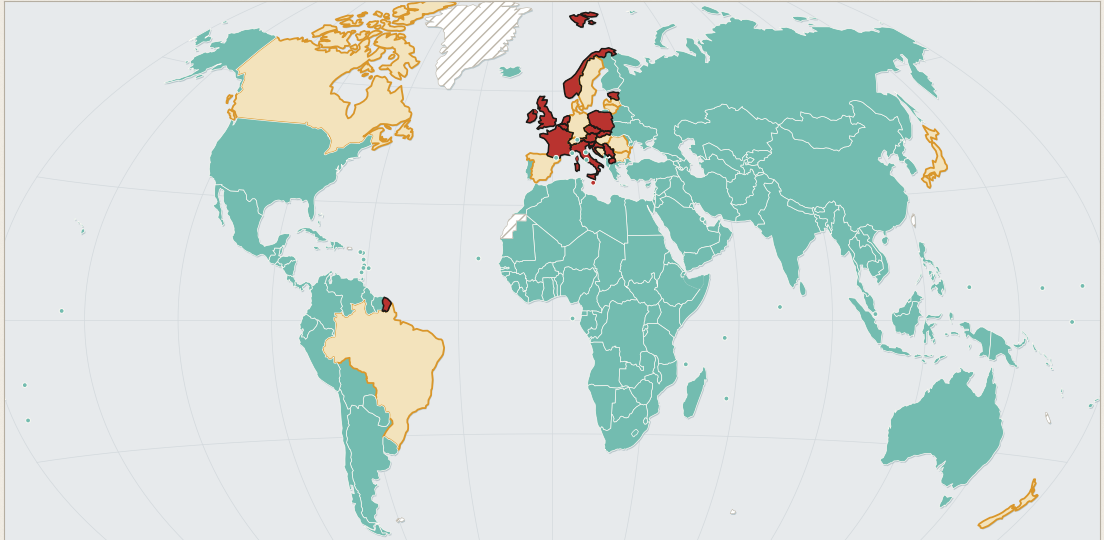
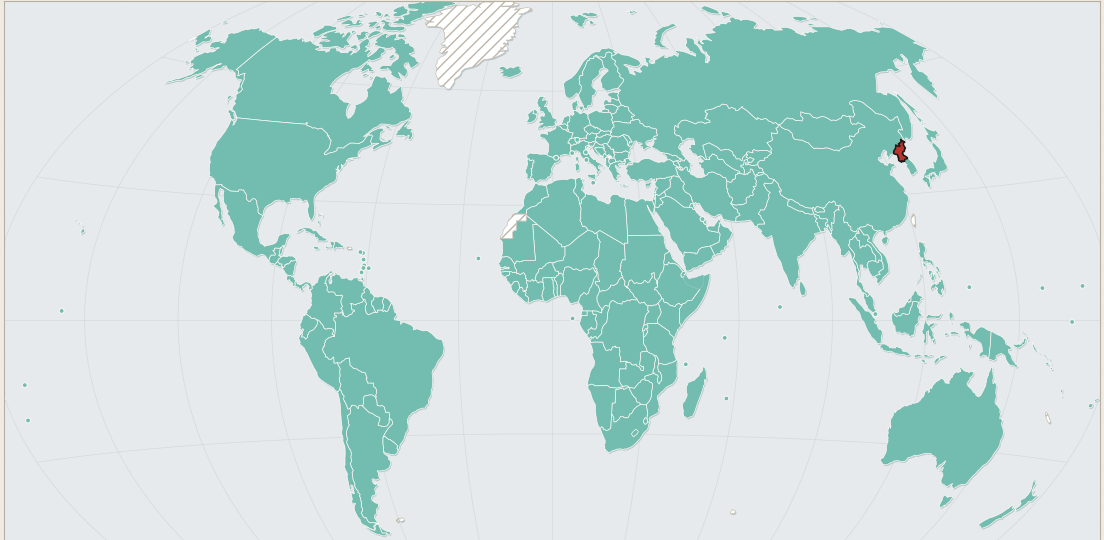
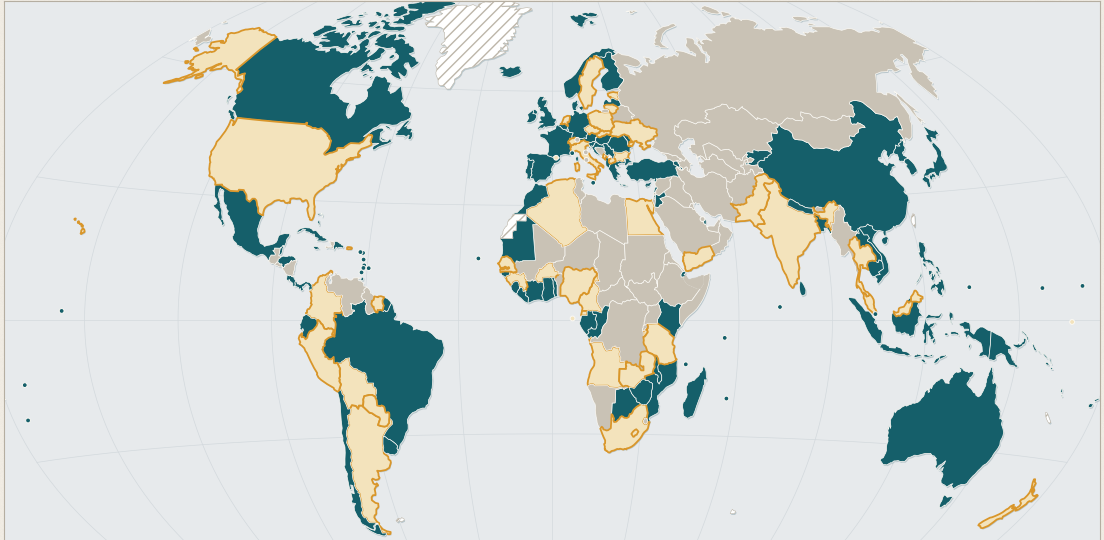
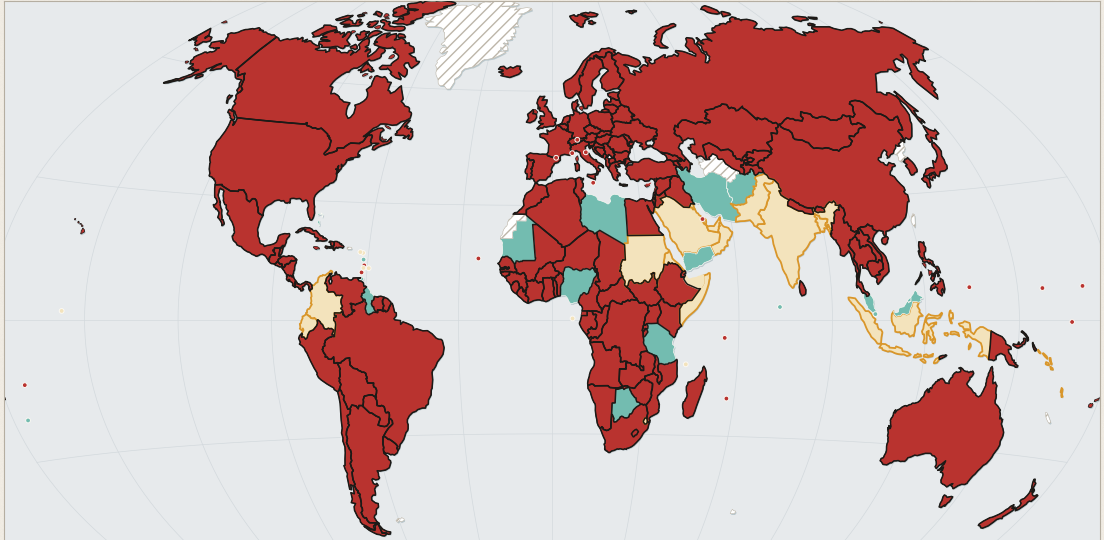
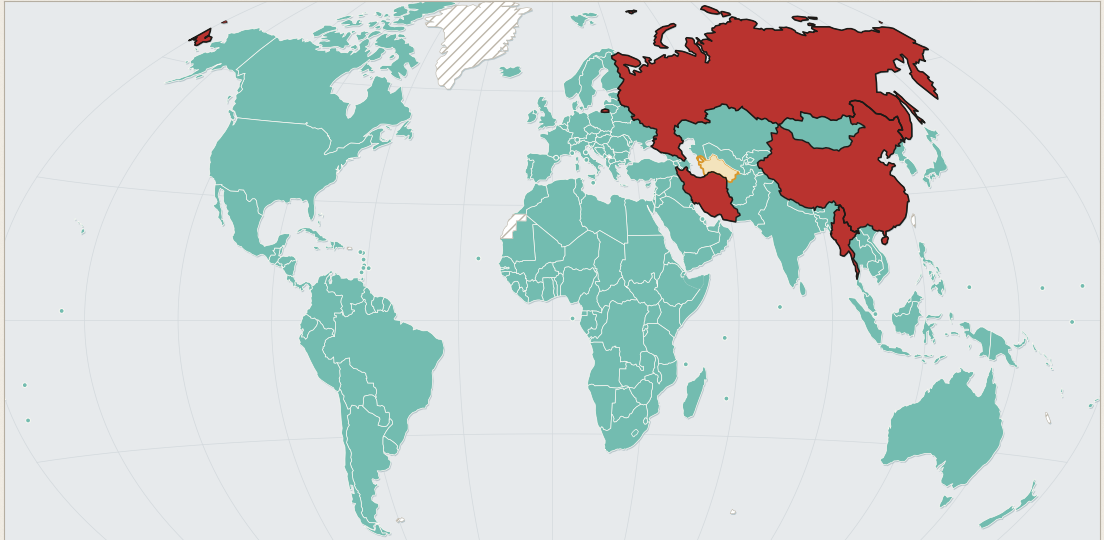
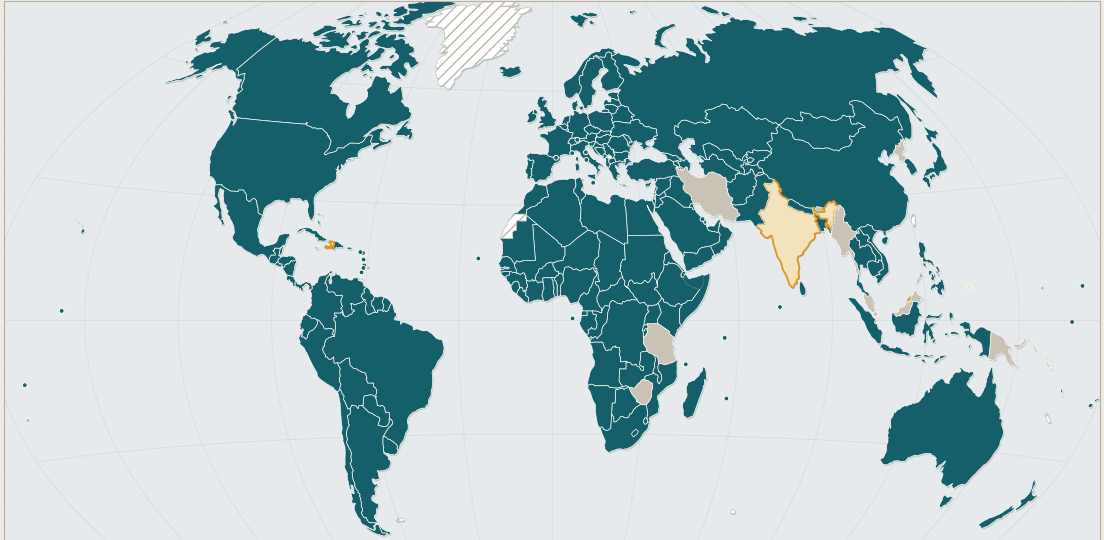
The 2026 map of where chemical weapons are banned by the convention, or signed but not ratified, published Nov 9, 2026. Sources
The convention has 193 parties. This map rates 195 countries, so it leaves out two of them, the Cook Islands and Niue.
Sources: UN Treaty Collection, 9 Nov 2026 · OPCW · How we rate it
Is it banned where you live? Check your countryBanned in 191 countries
Joined the 1993 Chemical Weapons Convention in 2003, which bans it from developing, making, stockpiling, transferring or using chemical weapons, and makes it destroy any it has.
Source: UN Treaty Collection, 9 Nov 2026
Why we rate it this way
State Party to the 1993 Chemical Weapons Convention; signed 14 Jan 1993, ratified 24 Sep 2003 (UNTC XXVI-3 status page, as at 9 Nov 2026).
Joined the 1993 Chemical Weapons Convention in 1994, which bans it from developing, making, stockpiling, transferring or using chemical weapons, and makes it destroy any it has.
Source: UN Treaty Collection, 9 Nov 2026
Why we rate it this way
State Party to the 1993 Chemical Weapons Convention; signed 14 Jan 1993, ratified 11 May 1994 (UNTC XXVI-3 status page, as at 9 Nov 2026).
Joined the 1993 Chemical Weapons Convention in 1995, which bans it from developing, making, stockpiling, transferring or using chemical weapons, and makes it destroy any it has.
Source: UN Treaty Collection, 9 Nov 2026
Why we rate it this way
State Party to the 1993 Chemical Weapons Convention; signed 13 Jan 1993, ratified 14 Aug 1995 (UNTC XXVI-3 status page, as at 9 Nov 2026).
Joined the 1993 Chemical Weapons Convention in 2003, which bans it from developing, making, stockpiling, transferring or using chemical weapons, and makes it destroy any it has.
Source: UN Treaty Collection, 9 Nov 2026
Why we rate it this way
State Party to the 1993 Chemical Weapons Convention; acceded 27 Feb 2003 (UNTC XXVI-3 status page, as at 9 Nov 2026).
Joined the 1993 Chemical Weapons Convention in 2015, which bans it from developing, making, stockpiling, transferring or using chemical weapons, and makes it destroy any it has.
Source: UN Treaty Collection, 9 Nov 2026
Why we rate it this way
State Party to the 1993 Chemical Weapons Convention; acceded 16 Sep 2015 (UNTC XXVI-3 status page, as at 9 Nov 2026). Acceded 16 Sep 2015.
Joined the 1993 Chemical Weapons Convention in 2005, which bans it from developing, making, stockpiling, transferring or using chemical weapons, and makes it destroy any it has.
Source: UN Treaty Collection, 9 Nov 2026
Why we rate it this way
State Party to the 1993 Chemical Weapons Convention; acceded 29 Aug 2005 (UNTC XXVI-3 status page, as at 9 Nov 2026).
Joined the 1993 Chemical Weapons Convention in 1995, which bans it from developing, making, stockpiling, transferring or using chemical weapons, and makes it destroy any it has.
Source: UN Treaty Collection, 9 Nov 2026
Why we rate it this way
State Party to the 1993 Chemical Weapons Convention; signed 13 Jan 1993, ratified 2 Oct 1995 (UNTC XXVI-3 status page, as at 9 Nov 2026).
Joined the 1993 Chemical Weapons Convention in 1995, which bans it from developing, making, stockpiling, transferring or using chemical weapons, and makes it destroy any it has.
Source: UN Treaty Collection, 9 Nov 2026
Why we rate it this way
State Party to the 1993 Chemical Weapons Convention; signed 19 Mar 1993, ratified 27 Jan 1995 (UNTC XXVI-3 status page, as at 9 Nov 2026).
Joined the 1993 Chemical Weapons Convention in 1994, which bans it from developing, making, stockpiling, transferring or using chemical weapons, and makes it destroy any it has.
Source: UN Treaty Collection, 9 Nov 2026
Why we rate it this way
State Party to the 1993 Chemical Weapons Convention; signed 13 Jan 1993, ratified 6 May 1994 (UNTC XXVI-3 status page, as at 9 Nov 2026).
Joined the 1993 Chemical Weapons Convention in 1995, which bans it from developing, making, stockpiling, transferring or using chemical weapons, and makes it destroy any it has.
Source: UN Treaty Collection, 9 Nov 2026
Why we rate it this way
State Party to the 1993 Chemical Weapons Convention; signed 13 Jan 1993, ratified 17 Aug 1995 (UNTC XXVI-3 status page, as at 9 Nov 2026).
Joined the 1993 Chemical Weapons Convention in 2000, which bans it from developing, making, stockpiling, transferring or using chemical weapons, and makes it destroy any it has.
Source: UN Treaty Collection, 9 Nov 2026
Why we rate it this way
State Party to the 1993 Chemical Weapons Convention; signed 13 Jan 1993, ratified 29 Feb 2000 (UNTC XXVI-3 status page, as at 9 Nov 2026).
Joined the 1993 Chemical Weapons Convention in 2009, which bans it from developing, making, stockpiling, transferring or using chemical weapons, and makes it destroy any it has.
Source: UN Treaty Collection, 9 Nov 2026
Why we rate it this way
State Party to the 1993 Chemical Weapons Convention; signed 2 Mar 1994, ratified 21 Apr 2009 (UNTC XXVI-3 status page, as at 9 Nov 2026).
Joined the 1993 Chemical Weapons Convention in 1997, which bans it from developing, making, stockpiling, transferring or using chemical weapons, and makes it destroy any it has.
Source: UN Treaty Collection, 9 Nov 2026
Why we rate it this way
State Party to the 1993 Chemical Weapons Convention; signed 24 Feb 1993, ratified 28 Apr 1997 (UNTC XXVI-3 status page, as at 9 Nov 2026).
Joined the 1993 Chemical Weapons Convention in 1997, which bans it from developing, making, stockpiling, transferring or using chemical weapons, and makes it destroy any it has.
Source: UN Treaty Collection, 9 Nov 2026
Why we rate it this way
State Party to the 1993 Chemical Weapons Convention; signed 14 Jan 1993, ratified 25 Apr 1997 (UNTC XXVI-3 status page, as at 9 Nov 2026).
Joined the 1993 Chemical Weapons Convention in 2007, which bans it from developing, making, stockpiling, transferring or using chemical weapons, and makes it destroy any it has.
Source: UN Treaty Collection, 9 Nov 2026
Why we rate it this way
State Party to the 1993 Chemical Weapons Convention; acceded 7 Mar 2007 (UNTC XXVI-3 status page, as at 9 Nov 2026).
Joined the 1993 Chemical Weapons Convention in 1996, which bans it from developing, making, stockpiling, transferring or using chemical weapons, and makes it destroy any it has.
Source: UN Treaty Collection, 9 Nov 2026
Why we rate it this way
State Party to the 1993 Chemical Weapons Convention; signed 14 Jan 1993, ratified 11 Jul 1996 (UNTC XXVI-3 status page, as at 9 Nov 2026).
Joined the 1993 Chemical Weapons Convention in 1997, which bans it from developing, making, stockpiling, transferring or using chemical weapons, and makes it destroy any it has.
Source: UN Treaty Collection, 9 Nov 2026
Why we rate it this way
State Party to the 1993 Chemical Weapons Convention; signed 13 Jan 1993, ratified 27 Jan 1997 (UNTC XXVI-3 status page, as at 9 Nov 2026).
Joined the 1993 Chemical Weapons Convention in 2003, which bans it from developing, making, stockpiling, transferring or using chemical weapons, and makes it destroy any it has.
Source: UN Treaty Collection, 9 Nov 2026
Why we rate it this way
State Party to the 1993 Chemical Weapons Convention; acceded 1 Dec 2003 (UNTC XXVI-3 status page, as at 9 Nov 2026).
Joined the 1993 Chemical Weapons Convention in 1998, which bans it from developing, making, stockpiling, transferring or using chemical weapons, and makes it destroy any it has.
Source: UN Treaty Collection, 9 Nov 2026
Why we rate it this way
State Party to the 1993 Chemical Weapons Convention; signed 14 Jan 1993, ratified 14 May 1998 (UNTC XXVI-3 status page, as at 9 Nov 2026).
Joined the 1993 Chemical Weapons Convention in 2005, which bans it from developing, making, stockpiling, transferring or using chemical weapons, and makes it destroy any it has.
Source: UN Treaty Collection, 9 Nov 2026
Why we rate it this way
State Party to the 1993 Chemical Weapons Convention; signed 24 Apr 1997, ratified 18 Aug 2005 (UNTC XXVI-3 status page, as at 9 Nov 2026).
Joined the 1993 Chemical Weapons Convention in 1998, which bans it from developing, making, stockpiling, transferring or using chemical weapons, and makes it destroy any it has.
Source: UN Treaty Collection, 9 Nov 2026
Why we rate it this way
State Party to the 1993 Chemical Weapons Convention; signed 14 Jan 1993, ratified 14 Aug 1998 (UNTC XXVI-3 status page, as at 9 Nov 2026).
Joined the 1993 Chemical Weapons Convention in 1997, which bans it from developing, making, stockpiling, transferring or using chemical weapons, and makes it destroy any it has.
Source: UN Treaty Collection, 9 Nov 2026
Why we rate it this way
State Party to the 1993 Chemical Weapons Convention; signed 16 Jan 1997, ratified 25 Feb 1997 (UNTC XXVI-3 status page, as at 9 Nov 2026).
Joined the 1993 Chemical Weapons Convention in 1998, which bans it from developing, making, stockpiling, transferring or using chemical weapons, and makes it destroy any it has.
Source: UN Treaty Collection, 9 Nov 2026
Why we rate it this way
State Party to the 1993 Chemical Weapons Convention; acceded 31 Aug 1998 (UNTC XXVI-3 status page, as at 9 Nov 2026).
Joined the 1993 Chemical Weapons Convention in 1996, which bans it from developing, making, stockpiling, transferring or using chemical weapons, and makes it destroy any it has.
Source: UN Treaty Collection, 9 Nov 2026
Why we rate it this way
State Party to the 1993 Chemical Weapons Convention; signed 13 Jan 1993, ratified 13 Mar 1996 (UNTC XXVI-3 status page, as at 9 Nov 2026).
Joined the 1993 Chemical Weapons Convention in 1997, which bans it from developing, making, stockpiling, transferring or using chemical weapons, and makes it destroy any it has.
Source: UN Treaty Collection, 9 Nov 2026
Why we rate it this way
State Party to the 1993 Chemical Weapons Convention; signed 13 Jan 1993, ratified 28 Jul 1997 (UNTC XXVI-3 status page, as at 9 Nov 2026).
Joined the 1993 Chemical Weapons Convention in 1994, which bans it from developing, making, stockpiling, transferring or using chemical weapons, and makes it destroy any it has.
Source: UN Treaty Collection, 9 Nov 2026
Why we rate it this way
State Party to the 1993 Chemical Weapons Convention; signed 13 Jan 1993, ratified 10 Aug 1994 (UNTC XXVI-3 status page, as at 9 Nov 2026).
Joined the 1993 Chemical Weapons Convention in 1997, which bans it from developing, making, stockpiling, transferring or using chemical weapons, and makes it destroy any it has.
Source: UN Treaty Collection, 9 Nov 2026
Why we rate it this way
State Party to the 1993 Chemical Weapons Convention; signed 14 Jan 1993, ratified 8 Jul 1997 (UNTC XXVI-3 status page, as at 9 Nov 2026).
Joined the 1993 Chemical Weapons Convention in 1998, which bans it from developing, making, stockpiling, transferring or using chemical weapons, and makes it destroy any it has.
Source: UN Treaty Collection, 9 Nov 2026
Why we rate it this way
State Party to the 1993 Chemical Weapons Convention; signed 15 Jan 1993, ratified 4 Sep 1998 (UNTC XXVI-3 status page, as at 9 Nov 2026).
Joined the 1993 Chemical Weapons Convention in 2005, which bans it from developing, making, stockpiling, transferring or using chemical weapons, and makes it destroy any it has.
Source: UN Treaty Collection, 9 Nov 2026
Why we rate it this way
State Party to the 1993 Chemical Weapons Convention; signed 15 Jan 1993, ratified 19 Jul 2005 (UNTC XXVI-3 status page, as at 9 Nov 2026).
Joined the 1993 Chemical Weapons Convention in 1996, which bans it from developing, making, stockpiling, transferring or using chemical weapons, and makes it destroy any it has.
Source: UN Treaty Collection, 9 Nov 2026
Why we rate it this way
State Party to the 1993 Chemical Weapons Convention; signed 14 Jan 1993, ratified 16 Sep 1996 (UNTC XXVI-3 status page, as at 9 Nov 2026).
Joined the 1993 Chemical Weapons Convention in 1995, which bans it from developing, making, stockpiling, transferring or using chemical weapons, and makes it destroy any it has.
Source: UN Treaty Collection, 9 Nov 2026
Why we rate it this way
State Party to the 1993 Chemical Weapons Convention; signed 13 Jan 1993, ratified 26 Sep 1995 (UNTC XXVI-3 status page, as at 9 Nov 2026).
Joined the 1993 Chemical Weapons Convention in 2003, which bans it from developing, making, stockpiling, transferring or using chemical weapons, and makes it destroy any it has.
Source: UN Treaty Collection, 9 Nov 2026
Why we rate it this way
State Party to the 1993 Chemical Weapons Convention; signed 15 Jan 1993, ratified 10 Oct 2003 (UNTC XXVI-3 status page, as at 9 Nov 2026).
Joined the 1993 Chemical Weapons Convention in 2006, which bans it from developing, making, stockpiling, transferring or using chemical weapons, and makes it destroy any it has.
Source: UN Treaty Collection, 9 Nov 2026
Why we rate it this way
State Party to the 1993 Chemical Weapons Convention; signed 14 Jan 1993, ratified 20 Sep 2006 (UNTC XXVI-3 status page, as at 9 Nov 2026).
Joined the 1993 Chemical Weapons Convention in 2004, which bans it from developing, making, stockpiling, transferring or using chemical weapons, and makes it destroy any it has.
Source: UN Treaty Collection, 9 Nov 2026
Why we rate it this way
State Party to the 1993 Chemical Weapons Convention; signed 11 Oct 1994, ratified 13 Feb 2004 (UNTC XXVI-3 status page, as at 9 Nov 2026).
Joined the 1993 Chemical Weapons Convention in 1996, which bans it from developing, making, stockpiling, transferring or using chemical weapons, and makes it destroy any it has.
Source: UN Treaty Collection, 9 Nov 2026
Why we rate it this way
State Party to the 1993 Chemical Weapons Convention; signed 14 Jan 1993, ratified 12 Jul 1996 (UNTC XXVI-3 status page, as at 9 Nov 2026).
Joined the 1993 Chemical Weapons Convention in 1997, which bans it from developing, making, stockpiling, transferring or using chemical weapons, and makes it destroy any it has.
Source: UN Treaty Collection, 9 Nov 2026
Why we rate it this way
State Party to the 1993 Chemical Weapons Convention; signed 13 Jan 1993, ratified 25 Apr 1997 (UNTC XXVI-3 status page, as at 9 Nov 2026).
Joined the 1993 Chemical Weapons Convention in 2000, which bans it from developing, making, stockpiling, transferring or using chemical weapons, and makes it destroy any it has.
Source: UN Treaty Collection, 9 Nov 2026
Why we rate it this way
State Party to the 1993 Chemical Weapons Convention; signed 13 Jan 1993, ratified 5 Apr 2000 (UNTC XXVI-3 status page, as at 9 Nov 2026).
Joined the 1993 Chemical Weapons Convention in 2006, which bans it from developing, making, stockpiling, transferring or using chemical weapons, and makes it destroy any it has.
Source: UN Treaty Collection, 9 Nov 2026
Why we rate it this way
State Party to the 1993 Chemical Weapons Convention; signed 13 Jan 1993, ratified 18 Aug 2006 (UNTC XXVI-3 status page, as at 9 Nov 2026).
Joined the 1993 Chemical Weapons Convention in 2007, which bans it from developing, making, stockpiling, transferring or using chemical weapons, and makes it destroy any it has.
Source: UN Treaty Collection, 9 Nov 2026
Why we rate it this way
State Party to the 1993 Chemical Weapons Convention; signed 15 Jan 1993, ratified 4 Dec 2007 (UNTC XXVI-3 status page, as at 9 Nov 2026).
Joined the 1993 Chemical Weapons Convention in 2005, which bans it from developing, making, stockpiling, transferring or using chemical weapons, and makes it destroy any it has.
Source: UN Treaty Collection, 9 Nov 2026
Why we rate it this way
State Party to the 1993 Chemical Weapons Convention; signed 14 Jan 1993, ratified 12 Oct 2005 (UNTC XXVI-3 status page, as at 9 Nov 2026).
Joined the 1993 Chemical Weapons Convention in 1996, which bans it from developing, making, stockpiling, transferring or using chemical weapons, and makes it destroy any it has.
Source: UN Treaty Collection, 9 Nov 2026
Why we rate it this way
State Party to the 1993 Chemical Weapons Convention; signed 14 Jan 1993, ratified 31 May 1996 (UNTC XXVI-3 status page, as at 9 Nov 2026).
Joined the 1993 Chemical Weapons Convention in 1995, which bans it from developing, making, stockpiling, transferring or using chemical weapons, and makes it destroy any it has.
Source: UN Treaty Collection, 9 Nov 2026
Why we rate it this way
State Party to the 1993 Chemical Weapons Convention; signed 13 Jan 1993, ratified 23 May 1995 (UNTC XXVI-3 status page, as at 9 Nov 2026).
Joined the 1993 Chemical Weapons Convention in 1997, which bans it from developing, making, stockpiling, transferring or using chemical weapons, and makes it destroy any it has.
Source: UN Treaty Collection, 9 Nov 2026
Why we rate it this way
State Party to the 1993 Chemical Weapons Convention; signed 13 Jan 1993, ratified 29 Apr 1997 (UNTC XXVI-3 status page, as at 9 Nov 2026).
Joined the 1993 Chemical Weapons Convention in 1998, which bans it from developing, making, stockpiling, transferring or using chemical weapons, and makes it destroy any it has.
Source: UN Treaty Collection, 9 Nov 2026
Why we rate it this way
State Party to the 1993 Chemical Weapons Convention; signed 13 Jan 1993, ratified 28 Aug 1998 (UNTC XXVI-3 status page, as at 9 Nov 2026).
Joined the 1993 Chemical Weapons Convention in 1996, which bans it from developing, making, stockpiling, transferring or using chemical weapons, and makes it destroy any it has.
Source: UN Treaty Collection, 9 Nov 2026
Why we rate it this way
State Party to the 1993 Chemical Weapons Convention; signed 14 Jan 1993, ratified 6 Mar 1996 (UNTC XXVI-3 status page, as at 9 Nov 2026).
Joined the 1993 Chemical Weapons Convention in 1995, which bans it from developing, making, stockpiling, transferring or using chemical weapons, and makes it destroy any it has.
Source: UN Treaty Collection, 9 Nov 2026
Why we rate it this way
State Party to the 1993 Chemical Weapons Convention; signed 13 Jan 1993, ratified 18 Dec 1995 (UNTC XXVI-3 status page, as at 9 Nov 2026).
Joined the 1993 Chemical Weapons Convention in 1995, which bans it from developing, making, stockpiling, transferring or using chemical weapons, and makes it destroy any it has.
Source: UN Treaty Collection, 9 Nov 2026
Why we rate it this way
State Party to the 1993 Chemical Weapons Convention; signed 14 Jan 1993, ratified 13 Jul 1995 (UNTC XXVI-3 status page, as at 9 Nov 2026).
Joined the 1993 Chemical Weapons Convention in 2006, which bans it from developing, making, stockpiling, transferring or using chemical weapons, and makes it destroy any it has.
Source: UN Treaty Collection, 9 Nov 2026
Why we rate it this way
State Party to the 1993 Chemical Weapons Convention; signed 28 Sep 1993, ratified 25 Jan 2006 (UNTC XXVI-3 status page, as at 9 Nov 2026).
Joined the 1993 Chemical Weapons Convention in 2001, which bans it from developing, making, stockpiling, transferring or using chemical weapons, and makes it destroy any it has.
Source: UN Treaty Collection, 9 Nov 2026
Why we rate it this way
State Party to the 1993 Chemical Weapons Convention; signed 2 Aug 1993, ratified 12 Feb 2001 (UNTC XXVI-3 status page, as at 9 Nov 2026).
Joined the 1993 Chemical Weapons Convention in 2009, which bans it from developing, making, stockpiling, transferring or using chemical weapons, and makes it destroy any it has.
Source: UN Treaty Collection, 9 Nov 2026
Why we rate it this way
State Party to the 1993 Chemical Weapons Convention; signed 13 Jan 1993, ratified 27 Mar 2009 (UNTC XXVI-3 status page, as at 9 Nov 2026).
Joined the 1993 Chemical Weapons Convention in 1995, which bans it from developing, making, stockpiling, transferring or using chemical weapons, and makes it destroy any it has.
Source: UN Treaty Collection, 9 Nov 2026
Why we rate it this way
State Party to the 1993 Chemical Weapons Convention; signed 14 Jan 1993, ratified 6 Sep 1995 (UNTC XXVI-3 status page, as at 9 Nov 2026).
Joined the 1993 Chemical Weapons Convention in 1995, which bans it from developing, making, stockpiling, transferring or using chemical weapons, and makes it destroy any it has.
Source: UN Treaty Collection, 9 Nov 2026
Why we rate it this way
State Party to the 1993 Chemical Weapons Convention; signed 14 Jan 1993, ratified 30 Oct 1995 (UNTC XXVI-3 status page, as at 9 Nov 2026).
Joined the 1993 Chemical Weapons Convention in 1997, which bans it from developing, making, stockpiling, transferring or using chemical weapons, and makes it destroy any it has.
Source: UN Treaty Collection, 9 Nov 2026
Why we rate it this way
State Party to the 1993 Chemical Weapons Convention; signed 14 Jan 1993, ratified 25 Apr 1997 (UNTC XXVI-3 status page, as at 9 Nov 2026).
Joined the 1993 Chemical Weapons Convention in 2000, which bans it from developing, making, stockpiling, transferring or using chemical weapons, and makes it destroy any it has.
Source: UN Treaty Collection, 9 Nov 2026
Why we rate it this way
State Party to the 1993 Chemical Weapons Convention; acceded 14 Feb 2000 (UNTC XXVI-3 status page, as at 9 Nov 2026).
Joined the 1993 Chemical Weapons Convention in 1999, which bans it from developing, making, stockpiling, transferring or using chemical weapons, and makes it destroy any it has.
Source: UN Treaty Collection, 9 Nov 2026
Why we rate it this way
State Party to the 1993 Chemical Weapons Convention; signed 14 Jan 1993, ratified 26 May 1999 (UNTC XXVI-3 status page, as at 9 Nov 2026).
Joined the 1993 Chemical Weapons Convention in 1996, which bans it from developing, making, stockpiling, transferring or using chemical weapons, and makes it destroy any it has.
Source: UN Treaty Collection, 9 Nov 2026
Why we rate it this way
State Party to the 1993 Chemical Weapons Convention; signed 23 Sep 1993, ratified 20 Nov 1996 (UNTC XXVI-3 status page, as at 9 Nov 2026).
Joined the 1993 Chemical Weapons Convention in 1996, which bans it from developing, making, stockpiling, transferring or using chemical weapons, and makes it destroy any it has.
Source: UN Treaty Collection, 9 Nov 2026
Why we rate it this way
State Party to the 1993 Chemical Weapons Convention; signed 14 Jan 1993, ratified 13 May 1996 (UNTC XXVI-3 status page, as at 9 Nov 2026).
Joined the 1993 Chemical Weapons Convention in 1993, which bans it from developing, making, stockpiling, transferring or using chemical weapons, and makes it destroy any it has.
Source: UN Treaty Collection, 9 Nov 2026
Why we rate it this way
State Party to the 1993 Chemical Weapons Convention; signed 14 Jan 1993, ratified 20 Jan 1993 (UNTC XXVI-3 status page, as at 9 Nov 2026).
Joined the 1993 Chemical Weapons Convention in 1995, which bans it from developing, making, stockpiling, transferring or using chemical weapons, and makes it destroy any it has.
Source: UN Treaty Collection, 9 Nov 2026
Why we rate it this way
State Party to the 1993 Chemical Weapons Convention; signed 14 Jan 1993, ratified 7 Feb 1995 (UNTC XXVI-3 status page, as at 9 Nov 2026).
Joined the 1993 Chemical Weapons Convention in 1995, which bans it from developing, making, stockpiling, transferring or using chemical weapons, and makes it destroy any it has.
Source: UN Treaty Collection, 9 Nov 2026
Why we rate it this way
State Party to the 1993 Chemical Weapons Convention; signed 13 Jan 1993, ratified 2 Mar 1995 (UNTC XXVI-3 status page, as at 9 Nov 2026).
Joined the 1993 Chemical Weapons Convention in 2000, which bans it from developing, making, stockpiling, transferring or using chemical weapons, and makes it destroy any it has.
Source: UN Treaty Collection, 9 Nov 2026
Why we rate it this way
State Party to the 1993 Chemical Weapons Convention; signed 13 Jan 1993, ratified 8 Sep 2000 (UNTC XXVI-3 status page, as at 9 Nov 2026).
Joined the 1993 Chemical Weapons Convention in 1998, which bans it from developing, making, stockpiling, transferring or using chemical weapons, and makes it destroy any it has.
Source: UN Treaty Collection, 9 Nov 2026
Why we rate it this way
State Party to the 1993 Chemical Weapons Convention; signed 13 Jan 1993, ratified 19 May 1998 (UNTC XXVI-3 status page, as at 9 Nov 2026).
Joined the 1993 Chemical Weapons Convention in 1995, which bans it from developing, making, stockpiling, transferring or using chemical weapons, and makes it destroy any it has.
Source: UN Treaty Collection, 9 Nov 2026
Why we rate it this way
State Party to the 1993 Chemical Weapons Convention; signed 14 Jan 1993, ratified 27 Nov 1995 (UNTC XXVI-3 status page, as at 9 Nov 2026).
Joined the 1993 Chemical Weapons Convention in 1994, which bans it from developing, making, stockpiling, transferring or using chemical weapons, and makes it destroy any it has.
Source: UN Treaty Collection, 9 Nov 2026
Why we rate it this way
State Party to the 1993 Chemical Weapons Convention; signed 13 Jan 1993, ratified 12 Aug 1994 (UNTC XXVI-3 status page, as at 9 Nov 2026).
Joined the 1993 Chemical Weapons Convention in 1997, which bans it from developing, making, stockpiling, transferring or using chemical weapons, and makes it destroy any it has.
Source: UN Treaty Collection, 9 Nov 2026
Why we rate it this way
State Party to the 1993 Chemical Weapons Convention; signed 14 Jan 1993, ratified 9 Jul 1997 (UNTC XXVI-3 status page, as at 9 Nov 2026).
Joined the 1993 Chemical Weapons Convention in 1994, which bans it from developing, making, stockpiling, transferring or using chemical weapons, and makes it destroy any it has.
Source: UN Treaty Collection, 9 Nov 2026
Why we rate it this way
State Party to the 1993 Chemical Weapons Convention; signed 13 Jan 1993, ratified 22 Dec 1994 (UNTC XXVI-3 status page, as at 9 Nov 2026).
Joined the 1993 Chemical Weapons Convention in 2005, which bans it from developing, making, stockpiling, transferring or using chemical weapons, and makes it destroy any it has.
Source: UN Treaty Collection, 9 Nov 2026
Why we rate it this way
State Party to the 1993 Chemical Weapons Convention; signed 9 Apr 1997, ratified 3 Jun 2005 (UNTC XXVI-3 status page, as at 9 Nov 2026).
Joined the 1993 Chemical Weapons Convention in 2003, which bans it from developing, making, stockpiling, transferring or using chemical weapons, and makes it destroy any it has.
Source: UN Treaty Collection, 9 Nov 2026
Why we rate it this way
State Party to the 1993 Chemical Weapons Convention; signed 14 Jan 1993, ratified 12 Feb 2003 (UNTC XXVI-3 status page, as at 9 Nov 2026).
Joined the 1993 Chemical Weapons Convention in 1997, which bans it from developing, making, stockpiling, transferring or using chemical weapons, and makes it destroy any it has.
Source: UN Treaty Collection, 9 Nov 2026
Why we rate it this way
State Party to the 1993 Chemical Weapons Convention; signed 14 Jan 1993, ratified 9 Jun 1997 (UNTC XXVI-3 status page, as at 9 Nov 2026).
Joined the 1993 Chemical Weapons Convention in 2008, which bans it from developing, making, stockpiling, transferring or using chemical weapons, and makes it destroy any it has.
Source: UN Treaty Collection, 9 Nov 2026
Why we rate it this way
State Party to the 1993 Chemical Weapons Convention; signed 14 Jan 1993, ratified 20 May 2008 (UNTC XXVI-3 status page, as at 9 Nov 2026).
Joined the 1993 Chemical Weapons Convention in 1997, which bans it from developing, making, stockpiling, transferring or using chemical weapons, and makes it destroy any it has.
Source: UN Treaty Collection, 9 Nov 2026
Why we rate it this way
State Party to the 1993 Chemical Weapons Convention; signed 6 Oct 1993, ratified 12 Sep 1997 (UNTC XXVI-3 status page, as at 9 Nov 2026).
Joined the 1993 Chemical Weapons Convention in 2006, which bans it from developing, making, stockpiling, transferring or using chemical weapons, and makes it destroy any it has.
Source: UN Treaty Collection, 9 Nov 2026
Why we rate it this way
State Party to the 1993 Chemical Weapons Convention; signed 14 Jan 1993, ratified 22 Feb 2006 (UNTC XXVI-3 status page, as at 9 Nov 2026).
Joined the 1993 Chemical Weapons Convention in 2005, which bans it from developing, making, stockpiling, transferring or using chemical weapons, and makes it destroy any it has.
Source: UN Treaty Collection, 9 Nov 2026
Why we rate it this way
State Party to the 1993 Chemical Weapons Convention; signed 13 Jan 1993, ratified 29 Aug 2005 (UNTC XXVI-3 status page, as at 9 Nov 2026).
Joined the 1993 Chemical Weapons Convention in 1996, which bans it from developing, making, stockpiling, transferring or using chemical weapons, and makes it destroy any it has.
Source: UN Treaty Collection, 9 Nov 2026
Why we rate it this way
State Party to the 1993 Chemical Weapons Convention; signed 13 Jan 1993, ratified 31 Oct 1996 (UNTC XXVI-3 status page, as at 9 Nov 2026).
Joined the 1993 Chemical Weapons Convention in 1997, which bans it from developing, making, stockpiling, transferring or using chemical weapons, and makes it destroy any it has.
Source: UN Treaty Collection, 9 Nov 2026
Why we rate it this way
State Party to the 1993 Chemical Weapons Convention; signed 13 Jan 1993, ratified 28 Apr 1997 (UNTC XXVI-3 status page, as at 9 Nov 2026).
Joined the 1993 Chemical Weapons Convention in 1996, which bans it from developing, making, stockpiling, transferring or using chemical weapons, and makes it destroy any it has.
Source: UN Treaty Collection, 9 Nov 2026
Why we rate it this way
State Party to the 1993 Chemical Weapons Convention; signed 14 Jan 1993, ratified 3 Sep 1996 (UNTC XXVI-3 status page, as at 9 Nov 2026).
Joined the 1993 Chemical Weapons Convention in 1998, which bans it from developing, making, stockpiling, transferring or using chemical weapons, and makes it destroy any it has.
Source: UN Treaty Collection, 9 Nov 2026
Why we rate it this way
State Party to the 1993 Chemical Weapons Convention; signed 13 Jan 1993, ratified 12 Nov 1998 (UNTC XXVI-3 status page, as at 9 Nov 2026).
Joined the 1993 Chemical Weapons Convention in 1997, which bans it from developing, making, stockpiling, transferring or using chemical weapons, and makes it destroy any it has.
Source: UN Treaty Collection, 9 Nov 2026
Why we rate it this way
State Party to the 1993 Chemical Weapons Convention; signed 13 Jan 1993, ratified 3 Nov 1997 (UNTC XXVI-3 status page, as at 9 Nov 2026).
Joined the 1993 Chemical Weapons Convention in 2009, which bans it from developing, making, stockpiling, transferring or using chemical weapons, and makes it destroy any it has.
Source: UN Treaty Collection, 9 Nov 2026
Why we rate it this way
State Party to the 1993 Chemical Weapons Convention; acceded 13 Jan 2009 (UNTC XXVI-3 status page, as at 9 Nov 2026). Acceded 13 Jan 2009.
Joined the 1993 Chemical Weapons Convention in 1996, which bans it from developing, making, stockpiling, transferring or using chemical weapons, and makes it destroy any it has.
Source: UN Treaty Collection, 9 Nov 2026
Why we rate it this way
State Party to the 1993 Chemical Weapons Convention; signed 14 Jan 1993, ratified 24 Jun 1996 (UNTC XXVI-3 status page, as at 9 Nov 2026).
Joined the 1993 Chemical Weapons Convention in 1995, which bans it from developing, making, stockpiling, transferring or using chemical weapons, and makes it destroy any it has.
Source: UN Treaty Collection, 9 Nov 2026
Why we rate it this way
State Party to the 1993 Chemical Weapons Convention; signed 13 Jan 1993, ratified 8 Dec 1995 (UNTC XXVI-3 status page, as at 9 Nov 2026).
Joined the 1993 Chemical Weapons Convention in 2000, which bans it from developing, making, stockpiling, transferring or using chemical weapons, and makes it destroy any it has.
Source: UN Treaty Collection, 9 Nov 2026
Why we rate it this way
State Party to the 1993 Chemical Weapons Convention; signed 18 Apr 1997, ratified 8 Sep 2000 (UNTC XXVI-3 status page, as at 9 Nov 2026).
Joined the 1993 Chemical Weapons Convention in 1995, which bans it from developing, making, stockpiling, transferring or using chemical weapons, and makes it destroy any it has.
Source: UN Treaty Collection, 9 Nov 2026
Why we rate it this way
State Party to the 1993 Chemical Weapons Convention; signed 13 Jan 1993, ratified 15 Sep 1995 (UNTC XXVI-3 status page, as at 9 Nov 2026).
Joined the 1993 Chemical Weapons Convention in 1997, which bans it from developing, making, stockpiling, transferring or using chemical weapons, and makes it destroy any it has.
Source: UN Treaty Collection, 9 Nov 2026
Why we rate it this way
State Party to the 1993 Chemical Weapons Convention; acceded 29 Oct 1997 (UNTC XXVI-3 status page, as at 9 Nov 2026).
Joined the 1993 Chemical Weapons Convention in 2000, which bans it from developing, making, stockpiling, transferring or using chemical weapons, and makes it destroy any it has.
Source: UN Treaty Collection, 9 Nov 2026
Why we rate it this way
State Party to the 1993 Chemical Weapons Convention; signed 14 Jan 1993, ratified 23 Mar 2000 (UNTC XXVI-3 status page, as at 9 Nov 2026).
Joined the 1993 Chemical Weapons Convention in 1997, which bans it from developing, making, stockpiling, transferring or using chemical weapons, and makes it destroy any it has.
Source: UN Treaty Collection, 9 Nov 2026
Why we rate it this way
State Party to the 1993 Chemical Weapons Convention; signed 15 Jan 1993, ratified 25 Apr 1997 (UNTC XXVI-3 status page, as at 9 Nov 2026).
Joined the 1993 Chemical Weapons Convention in 2000, which bans it from developing, making, stockpiling, transferring or using chemical weapons, and makes it destroy any it has.
Source: UN Treaty Collection, 9 Nov 2026
Why we rate it this way
State Party to the 1993 Chemical Weapons Convention; acceded 7 Sep 2000 (UNTC XXVI-3 status page, as at 9 Nov 2026).
Joined the 1993 Chemical Weapons Convention in 1997, which bans it from developing, making, stockpiling, transferring or using chemical weapons, and makes it destroy any it has.
Source: UN Treaty Collection, 9 Nov 2026
Why we rate it this way
State Party to the 1993 Chemical Weapons Convention; signed 27 Jan 1993, ratified 29 May 1997 (UNTC XXVI-3 status page, as at 9 Nov 2026).
Joined the 1993 Chemical Weapons Convention in 2003, which bans it from developing, making, stockpiling, transferring or using chemical weapons, and makes it destroy any it has.
Source: UN Treaty Collection, 9 Nov 2026
Why we rate it this way
State Party to the 1993 Chemical Weapons Convention; signed 22 Feb 1993, ratified 29 Sep 2003 (UNTC XXVI-3 status page, as at 9 Nov 2026).
Joined the 1993 Chemical Weapons Convention in 1997, which bans it from developing, making, stockpiling, transferring or using chemical weapons, and makes it destroy any it has.
Source: UN Treaty Collection, 9 Nov 2026
Why we rate it this way
State Party to the 1993 Chemical Weapons Convention; signed 13 May 1993, ratified 25 Feb 1997 (UNTC XXVI-3 status page, as at 9 Nov 2026).
Joined the 1993 Chemical Weapons Convention in 1996, which bans it from developing, making, stockpiling, transferring or using chemical weapons, and makes it destroy any it has.
Source: UN Treaty Collection, 9 Nov 2026
Why we rate it this way
State Party to the 1993 Chemical Weapons Convention; signed 6 May 1993, ratified 23 Jul 1996 (UNTC XXVI-3 status page, as at 9 Nov 2026).
Joined the 1993 Chemical Weapons Convention in 2008, which bans it from developing, making, stockpiling, transferring or using chemical weapons, and makes it destroy any it has.
Source: UN Treaty Collection, 9 Nov 2026
Why we rate it this way
State Party to the 1993 Chemical Weapons Convention; acceded 20 Nov 2008 (UNTC XXVI-3 status page, as at 9 Nov 2026).
Joined the 1993 Chemical Weapons Convention in 1994, which bans it from developing, making, stockpiling, transferring or using chemical weapons, and makes it destroy any it has.
Source: UN Treaty Collection, 9 Nov 2026
Why we rate it this way
State Party to the 1993 Chemical Weapons Convention; signed 7 Dec 1994, ratified 7 Dec 1994 (UNTC XXVI-3 status page, as at 9 Nov 2026).
Joined the 1993 Chemical Weapons Convention in 2006, which bans it from developing, making, stockpiling, transferring or using chemical weapons, and makes it destroy any it has.
Source: UN Treaty Collection, 9 Nov 2026
Why we rate it this way
State Party to the 1993 Chemical Weapons Convention; signed 15 Jan 1993, ratified 23 Feb 2006 (UNTC XXVI-3 status page, as at 9 Nov 2026).
Joined the 1993 Chemical Weapons Convention in 2004, which bans it from developing, making, stockpiling, transferring or using chemical weapons, and makes it destroy any it has.
Source: UN Treaty Collection, 9 Nov 2026
Why we rate it this way
State Party to the 1993 Chemical Weapons Convention; acceded 6 Jan 2004 (UNTC XXVI-3 status page, as at 9 Nov 2026).
Joined the 1993 Chemical Weapons Convention in 1999, which bans it from developing, making, stockpiling, transferring or using chemical weapons, and makes it destroy any it has.
Source: UN Treaty Collection, 9 Nov 2026
Why we rate it this way
State Party to the 1993 Chemical Weapons Convention; signed 21 Jul 1993, ratified 24 Nov 1999 (UNTC XXVI-3 status page, as at 9 Nov 2026).
Joined the 1993 Chemical Weapons Convention in 1998, which bans it from developing, making, stockpiling, transferring or using chemical weapons, and makes it destroy any it has.
Source: UN Treaty Collection, 9 Nov 2026
Why we rate it this way
State Party to the 1993 Chemical Weapons Convention; signed 13 Jan 1993, ratified 15 Apr 1998 (UNTC XXVI-3 status page, as at 9 Nov 2026).
Joined the 1993 Chemical Weapons Convention in 1997, which bans it from developing, making, stockpiling, transferring or using chemical weapons, and makes it destroy any it has.
Source: UN Treaty Collection, 9 Nov 2026
Why we rate it this way
State Party to the 1993 Chemical Weapons Convention; signed 13 Jan 1993, ratified 15 Apr 1997 (UNTC XXVI-3 status page, as at 9 Nov 2026).
Joined the 1993 Chemical Weapons Convention in 2004, which bans it from developing, making, stockpiling, transferring or using chemical weapons, and makes it destroy any it has.
Source: UN Treaty Collection, 9 Nov 2026
Why we rate it this way
State Party to the 1993 Chemical Weapons Convention; signed 15 Jan 1993, ratified 20 Oct 2004 (UNTC XXVI-3 status page, as at 9 Nov 2026).
Joined the 1993 Chemical Weapons Convention in 1998, which bans it from developing, making, stockpiling, transferring or using chemical weapons, and makes it destroy any it has.
Source: UN Treaty Collection, 9 Nov 2026
Why we rate it this way
State Party to the 1993 Chemical Weapons Convention; signed 14 Jan 1993, ratified 11 Jun 1998 (UNTC XXVI-3 status page, as at 9 Nov 2026).
Joined the 1993 Chemical Weapons Convention in 2000, which bans it from developing, making, stockpiling, transferring or using chemical weapons, and makes it destroy any it has.
Source: UN Treaty Collection, 9 Nov 2026
Why we rate it this way
State Party to the 1993 Chemical Weapons Convention; signed 13 Jan 1993, ratified 20 Apr 2000 (UNTC XXVI-3 status page, as at 9 Nov 2026).
Joined the 1993 Chemical Weapons Convention in 1994, which bans it from developing, making, stockpiling, transferring or using chemical weapons, and makes it destroy any it has.
Source: UN Treaty Collection, 9 Nov 2026
Why we rate it this way
State Party to the 1993 Chemical Weapons Convention; signed 4 Oct 1993, ratified 31 May 1994 (UNTC XXVI-3 status page, as at 9 Nov 2026).
Joined the 1993 Chemical Weapons Convention in 1997, which bans it from developing, making, stockpiling, transferring or using chemical weapons, and makes it destroy any it has.
Source: UN Treaty Collection, 9 Nov 2026
Why we rate it this way
State Party to the 1993 Chemical Weapons Convention; signed 13 Jan 1993, ratified 28 Apr 1997 (UNTC XXVI-3 status page, as at 9 Nov 2026).
Joined the 1993 Chemical Weapons Convention in 2004, which bans it from developing, making, stockpiling, transferring or using chemical weapons, and makes it destroy any it has.
Source: UN Treaty Collection, 9 Nov 2026
Why we rate it this way
State Party to the 1993 Chemical Weapons Convention; signed 13 Jan 1993, ratified 19 May 2004 (UNTC XXVI-3 status page, as at 9 Nov 2026).
Joined the 1993 Chemical Weapons Convention in 1998, which bans it from developing, making, stockpiling, transferring or using chemical weapons, and makes it destroy any it has.
Source: UN Treaty Collection, 9 Nov 2026
Why we rate it this way
State Party to the 1993 Chemical Weapons Convention; signed 13 Jan 1993, ratified 9 Feb 1998 (UNTC XXVI-3 status page, as at 9 Nov 2026).
Joined the 1993 Chemical Weapons Convention in 1993, which bans it from developing, making, stockpiling, transferring or using chemical weapons, and makes it destroy any it has.
Source: UN Treaty Collection, 9 Nov 2026
Why we rate it this way
State Party to the 1993 Chemical Weapons Convention; signed 14 Jan 1993, ratified 9 Feb 1993 (UNTC XXVI-3 status page, as at 9 Nov 2026).
Joined the 1993 Chemical Weapons Convention in 1994, which bans it from developing, making, stockpiling, transferring or using chemical weapons, and makes it destroy any it has.
Source: UN Treaty Collection, 9 Nov 2026
Why we rate it this way
State Party to the 1993 Chemical Weapons Convention; signed 13 Jan 1993, ratified 29 Aug 1994 (UNTC XXVI-3 status page, as at 9 Nov 2026).
Joined the 1993 Chemical Weapons Convention in 1999, which bans it from developing, making, stockpiling, transferring or using chemical weapons, and makes it destroy any it has.
Source: UN Treaty Collection, 9 Nov 2026
Why we rate it this way
State Party to the 1993 Chemical Weapons Convention; signed 13 Jan 1993, ratified 21 Jun 1999 (UNTC XXVI-3 status page, as at 9 Nov 2026).
Joined the 1993 Chemical Weapons Convention in 1996, which bans it from developing, making, stockpiling, transferring or using chemical weapons, and makes it destroy any it has.
Source: UN Treaty Collection, 9 Nov 2026
Why we rate it this way
State Party to the 1993 Chemical Weapons Convention; signed 13 Jan 1993, ratified 8 Jul 1996 (UNTC XXVI-3 status page, as at 9 Nov 2026).
Joined the 1993 Chemical Weapons Convention in 1995, which bans it from developing, making, stockpiling, transferring or using chemical weapons, and makes it destroy any it has.
Source: UN Treaty Collection, 9 Nov 2026
Why we rate it this way
State Party to the 1993 Chemical Weapons Convention; signed 13 Jan 1993, ratified 1 Jun 1995 (UNTC XXVI-3 status page, as at 9 Nov 2026).
Joined the 1993 Chemical Weapons Convention in 1995, which bans it from developing, making, stockpiling, transferring or using chemical weapons, and makes it destroy any it has.
Source: UN Treaty Collection, 9 Nov 2026
Why we rate it this way
State Party to the 1993 Chemical Weapons Convention; signed 14 Jan 1993, ratified 17 Jan 1995 (UNTC XXVI-3 status page, as at 9 Nov 2026).
Joined the 1993 Chemical Weapons Convention in 2006, which bans it from developing, making, stockpiling, transferring or using chemical weapons, and makes it destroy any it has.
Source: UN Treaty Collection, 9 Nov 2026
Why we rate it this way
State Party to the 1993 Chemical Weapons Convention; ratified 23 Oct 2006 (UNTC XXVI-3 status page, as at 9 Nov 2026).
Joined the 1993 Chemical Weapons Convention in 1995, which bans it from developing, making, stockpiling, transferring or using chemical weapons, and makes it destroy any it has.
Source: UN Treaty Collection, 9 Nov 2026
Why we rate it this way
State Party to the 1993 Chemical Weapons Convention; signed 13 Jan 1993, ratified 28 Dec 1995 (UNTC XXVI-3 status page, as at 9 Nov 2026).
Joined the 1993 Chemical Weapons Convention in 2000, which bans it from developing, making, stockpiling, transferring or using chemical weapons, and makes it destroy any it has.
Source: UN Treaty Collection, 9 Nov 2026
Why we rate it this way
State Party to the 1993 Chemical Weapons Convention; acceded 15 Aug 2000 (UNTC XXVI-3 status page, as at 9 Nov 2026).
Joined the 1993 Chemical Weapons Convention in 2015, which bans it from developing, making, stockpiling, transferring or using chemical weapons, and makes it destroy any it has.
Source: UN Treaty Collection, 9 Nov 2026
Why we rate it this way
State Party to the 1993 Chemical Weapons Convention; signed 14 Jan 1993, ratified 8 Jul 2015 (UNTC XXVI-3 status page, as at 9 Nov 2026). Ratified 8 Jul 2015.
Joined the 1993 Chemical Weapons Convention in 1995, which bans it from developing, making, stockpiling, transferring or using chemical weapons, and makes it destroy any it has.
Source: UN Treaty Collection, 9 Nov 2026
Why we rate it this way
State Party to the 1993 Chemical Weapons Convention; signed 13 Jan 1993, ratified 24 Nov 1995 (UNTC XXVI-3 status page, as at 9 Nov 2026).
Joined the 1993 Chemical Weapons Convention in 2001, which bans it from developing, making, stockpiling, transferring or using chemical weapons, and makes it destroy any it has.
Source: UN Treaty Collection, 9 Nov 2026
Why we rate it this way
State Party to the 1993 Chemical Weapons Convention; signed 13 Jan 1993, ratified 12 Nov 2001 (UNTC XXVI-3 status page, as at 9 Nov 2026).
Joined the 1993 Chemical Weapons Convention in 1997, which bans it from developing, making, stockpiling, transferring or using chemical weapons, and makes it destroy any it has.
Source: UN Treaty Collection, 9 Nov 2026
Why we rate it this way
State Party to the 1993 Chemical Weapons Convention; signed 19 Jan 1993, ratified 18 Nov 1997 (UNTC XXVI-3 status page, as at 9 Nov 2026).
Joined the 1993 Chemical Weapons Convention in 1995, which bans it from developing, making, stockpiling, transferring or using chemical weapons, and makes it destroy any it has.
Source: UN Treaty Collection, 9 Nov 2026
Why we rate it this way
State Party to the 1993 Chemical Weapons Convention; signed 14 Jan 1993, ratified 30 Jun 1995 (UNTC XXVI-3 status page, as at 9 Nov 2026).
Joined the 1993 Chemical Weapons Convention in 1996, which bans it from developing, making, stockpiling, transferring or using chemical weapons, and makes it destroy any it has.
Source: UN Treaty Collection, 9 Nov 2026
Why we rate it this way
State Party to the 1993 Chemical Weapons Convention; signed 14 Jan 1993, ratified 15 Jul 1996 (UNTC XXVI-3 status page, as at 9 Nov 2026).
Joined the 1993 Chemical Weapons Convention in 1999, which bans it from developing, making, stockpiling, transferring or using chemical weapons, and makes it destroy any it has.
Source: UN Treaty Collection, 9 Nov 2026
Why we rate it this way
State Party to the 1993 Chemical Weapons Convention; signed 9 Mar 1993, ratified 5 Nov 1999 (UNTC XXVI-3 status page, as at 9 Nov 2026).
Joined the 1993 Chemical Weapons Convention in 1997, which bans it from developing, making, stockpiling, transferring or using chemical weapons, and makes it destroy any it has.
Source: UN Treaty Collection, 9 Nov 2026
Why we rate it this way
State Party to the 1993 Chemical Weapons Convention; signed 14 Jan 1993, ratified 9 Apr 1997 (UNTC XXVI-3 status page, as at 9 Nov 2026).
Joined the 1993 Chemical Weapons Convention in 1999, which bans it from developing, making, stockpiling, transferring or using chemical weapons, and makes it destroy any it has.
Source: UN Treaty Collection, 9 Nov 2026
Why we rate it this way
State Party to the 1993 Chemical Weapons Convention; signed 13 Jan 1993, ratified 20 May 1999 (UNTC XXVI-3 status page, as at 9 Nov 2026).
Joined the 1993 Chemical Weapons Convention in 1997, which bans it from developing, making, stockpiling, transferring or using chemical weapons, and makes it destroy any it has.
Source: UN Treaty Collection, 9 Nov 2026
Why we rate it this way
State Party to the 1993 Chemical Weapons Convention; acceded 20 Jun 1997 (UNTC XXVI-3 status page, as at 9 Nov 2026).
Joined the 1993 Chemical Weapons Convention in 1994, which bans it from developing, making, stockpiling, transferring or using chemical weapons, and makes it destroy any it has.
Source: UN Treaty Collection, 9 Nov 2026
Why we rate it this way
State Party to the 1993 Chemical Weapons Convention; signed 13 Jan 1993, ratified 7 Apr 1994 (UNTC XXVI-3 status page, as at 9 Nov 2026).
Joined the 1993 Chemical Weapons Convention in 1995, which bans it from developing, making, stockpiling, transferring or using chemical weapons, and makes it destroy any it has.
Source: UN Treaty Collection, 9 Nov 2026
Why we rate it this way
State Party to the 1993 Chemical Weapons Convention; signed 2 Feb 1993, ratified 8 Feb 1995 (UNTC XXVI-3 status page, as at 9 Nov 2026).
Joined the 1993 Chemical Weapons Convention in 1997, which bans it from developing, making, stockpiling, transferring or using chemical weapons, and makes it destroy any it has.
Source: UN Treaty Collection, 9 Nov 2026
Why we rate it this way
State Party to the 1993 Chemical Weapons Convention; signed 13 Jan 1993, ratified 28 Oct 1997 (UNTC XXVI-3 status page, as at 9 Nov 2026).
Joined the 1993 Chemical Weapons Convention in 2003, which bans it from developing, making, stockpiling, transferring or using chemical weapons, and makes it destroy any it has.
Source: UN Treaty Collection, 9 Nov 2026
Why we rate it this way
State Party to the 1993 Chemical Weapons Convention; acceded 3 Feb 2003 (UNTC XXVI-3 status page, as at 9 Nov 2026).
Joined the 1993 Chemical Weapons Convention in 2017, which bans it from developing, making, stockpiling, transferring or using chemical weapons, and makes it destroy any it has. It is the most recent member, in force since January 2018.
Source: UN Treaty Collection, 9 Nov 2026
Why we rate it this way
State Party to the 1993 Chemical Weapons Convention; acceded 29 Dec 2017 (UNTC XXVI-3 status page, as at 9 Nov 2026). The most recent state to join: acceded 29 Dec 2017, in force 28 Jan 2018.
Joined the 1993 Chemical Weapons Convention in 1998, which bans it from developing, making, stockpiling, transferring or using chemical weapons, and makes it destroy any it has.
Source: UN Treaty Collection, 9 Nov 2026
Why we rate it this way
State Party to the 1993 Chemical Weapons Convention; signed 16 Jun 1993, ratified 7 Oct 1998 (UNTC XXVI-3 status page, as at 9 Nov 2026).
Joined the 1993 Chemical Weapons Convention in 1996, which bans it from developing, making, stockpiling, transferring or using chemical weapons, and makes it destroy any it has.
Source: UN Treaty Collection, 9 Nov 2026
Why we rate it this way
State Party to the 1993 Chemical Weapons Convention; signed 14 Jan 1993, ratified 17 Apr 1996 (UNTC XXVI-3 status page, as at 9 Nov 2026).
Joined the 1993 Chemical Weapons Convention in 1994, which bans it from developing, making, stockpiling, transferring or using chemical weapons, and makes it destroy any it has.
Source: UN Treaty Collection, 9 Nov 2026
Why we rate it this way
State Party to the 1993 Chemical Weapons Convention; signed 14 Jan 1993, ratified 1 Dec 1994 (UNTC XXVI-3 status page, as at 9 Nov 2026).
Joined the 1993 Chemical Weapons Convention in 1995, which bans it from developing, making, stockpiling, transferring or using chemical weapons, and makes it destroy any it has.
Source: UN Treaty Collection, 9 Nov 2026
Why we rate it this way
State Party to the 1993 Chemical Weapons Convention; signed 14 Jan 1993, ratified 20 Jul 1995 (UNTC XXVI-3 status page, as at 9 Nov 2026).
Joined the 1993 Chemical Weapons Convention in 1996, which bans it from developing, making, stockpiling, transferring or using chemical weapons, and makes it destroy any it has.
Source: UN Treaty Collection, 9 Nov 2026
Why we rate it this way
State Party to the 1993 Chemical Weapons Convention; signed 13 Jan 1993, ratified 11 Dec 1996 (UNTC XXVI-3 status page, as at 9 Nov 2026).
Joined the 1993 Chemical Weapons Convention in 1995, which bans it from developing, making, stockpiling, transferring or using chemical weapons, and makes it destroy any it has.
Source: UN Treaty Collection, 9 Nov 2026
Why we rate it this way
State Party to the 1993 Chemical Weapons Convention; signed 13 Jan 1993, ratified 23 Aug 1995 (UNTC XXVI-3 status page, as at 9 Nov 2026).
Joined the 1993 Chemical Weapons Convention in 1996, which bans it from developing, making, stockpiling, transferring or using chemical weapons, and makes it destroy any it has.
Source: UN Treaty Collection, 9 Nov 2026
Why we rate it this way
State Party to the 1993 Chemical Weapons Convention; signed 13 Jan 1993, ratified 10 Sep 1996 (UNTC XXVI-3 status page, as at 9 Nov 2026).
Joined the 1993 Chemical Weapons Convention in 1997, which bans it from developing, making, stockpiling, transferring or using chemical weapons, and makes it destroy any it has.
Source: UN Treaty Collection, 9 Nov 2026
Why we rate it this way
State Party to the 1993 Chemical Weapons Convention; signed 1 Feb 1993, ratified 3 Sep 1997 (UNTC XXVI-3 status page, as at 9 Nov 2026).
Joined the 1993 Chemical Weapons Convention in 1995, which bans it from developing, making, stockpiling, transferring or using chemical weapons, and makes it destroy any it has.
Source: UN Treaty Collection, 9 Nov 2026
Why we rate it this way
State Party to the 1993 Chemical Weapons Convention; signed 13 Jan 1993, ratified 15 Feb 1995 (UNTC XXVI-3 status page, as at 9 Nov 2026).
Joined the 1993 Chemical Weapons Convention in 1997, which bans it from developing, making, stockpiling, transferring or using chemical weapons, and makes it destroy any it has.
Source: UN Treaty Collection, 9 Nov 2026
Why we rate it this way
State Party to the 1993 Chemical Weapons Convention; signed 13 Jan 1993, ratified 5 Nov 1997 (UNTC XXVI-3 status page, as at 9 Nov 2026). Russia completed destruction of its declared stockpile on 27 Sep 2017 (OPCW).
Joined the 1993 Chemical Weapons Convention in 2004, which bans it from developing, making, stockpiling, transferring or using chemical weapons, and makes it destroy any it has.
Source: UN Treaty Collection, 9 Nov 2026
Why we rate it this way
State Party to the 1993 Chemical Weapons Convention; signed 17 May 1993, ratified 31 Mar 2004 (UNTC XXVI-3 status page, as at 9 Nov 2026).
Joined the 1993 Chemical Weapons Convention in 2002, which bans it from developing, making, stockpiling, transferring or using chemical weapons, and makes it destroy any it has.
Source: UN Treaty Collection, 9 Nov 2026
Why we rate it this way
State Party to the 1993 Chemical Weapons Convention; signed 14 Jan 1993, ratified 27 Sep 2002 (UNTC XXVI-3 status page, as at 9 Nov 2026).
Joined the 1993 Chemical Weapons Convention in 1999, which bans it from developing, making, stockpiling, transferring or using chemical weapons, and makes it destroy any it has.
Source: UN Treaty Collection, 9 Nov 2026
Why we rate it this way
State Party to the 1993 Chemical Weapons Convention; signed 13 Jan 1993, ratified 10 Dec 1999 (UNTC XXVI-3 status page, as at 9 Nov 2026).
Joined the 1993 Chemical Weapons Convention in 1996, which bans it from developing, making, stockpiling, transferring or using chemical weapons, and makes it destroy any it has.
Source: UN Treaty Collection, 9 Nov 2026
Why we rate it this way
State Party to the 1993 Chemical Weapons Convention; signed 20 Jan 1993, ratified 9 Aug 1996 (UNTC XXVI-3 status page, as at 9 Nov 2026).
Joined the 1993 Chemical Weapons Convention in 1998, which bans it from developing, making, stockpiling, transferring or using chemical weapons, and makes it destroy any it has.
Source: UN Treaty Collection, 9 Nov 2026
Why we rate it this way
State Party to the 1993 Chemical Weapons Convention; signed 13 Jan 1993, ratified 20 Jul 1998 (UNTC XXVI-3 status page, as at 9 Nov 2026).
Joined the 1993 Chemical Weapons Convention in 2000, which bans it from developing, making, stockpiling, transferring or using chemical weapons, and makes it destroy any it has.
Source: UN Treaty Collection, 9 Nov 2026
Why we rate it this way
State Party to the 1993 Chemical Weapons Convention; acceded 20 Apr 2000 (UNTC XXVI-3 status page, as at 9 Nov 2026).
Joined the 1993 Chemical Weapons Convention in 1993, which bans it from developing, making, stockpiling, transferring or using chemical weapons, and makes it destroy any it has.
Source: UN Treaty Collection, 9 Nov 2026
Why we rate it this way
State Party to the 1993 Chemical Weapons Convention; signed 15 Jan 1993, ratified 7 Apr 1993 (UNTC XXVI-3 status page, as at 9 Nov 2026).
Joined the 1993 Chemical Weapons Convention in 2004, which bans it from developing, making, stockpiling, transferring or using chemical weapons, and makes it destroy any it has.
Source: UN Treaty Collection, 9 Nov 2026
Why we rate it this way
State Party to the 1993 Chemical Weapons Convention; signed 15 Jan 1993, ratified 30 Sep 2004 (UNTC XXVI-3 status page, as at 9 Nov 2026).
Joined the 1993 Chemical Weapons Convention in 1997, which bans it from developing, making, stockpiling, transferring or using chemical weapons, and makes it destroy any it has.
Source: UN Treaty Collection, 9 Nov 2026
Why we rate it this way
State Party to the 1993 Chemical Weapons Convention; signed 14 Jan 1993, ratified 21 May 1997 (UNTC XXVI-3 status page, as at 9 Nov 2026).
Joined the 1993 Chemical Weapons Convention in 1995, which bans it from developing, making, stockpiling, transferring or using chemical weapons, and makes it destroy any it has.
Source: UN Treaty Collection, 9 Nov 2026
Why we rate it this way
State Party to the 1993 Chemical Weapons Convention; signed 14 Jan 1993, ratified 27 Oct 1995 (UNTC XXVI-3 status page, as at 9 Nov 2026).
Joined the 1993 Chemical Weapons Convention in 1997, which bans it from developing, making, stockpiling, transferring or using chemical weapons, and makes it destroy any it has.
Source: UN Treaty Collection, 9 Nov 2026
Why we rate it this way
State Party to the 1993 Chemical Weapons Convention; signed 14 Jan 1993, ratified 11 Jun 1997 (UNTC XXVI-3 status page, as at 9 Nov 2026).
Joined the 1993 Chemical Weapons Convention in 2004, which bans it from developing, making, stockpiling, transferring or using chemical weapons, and makes it destroy any it has.
Source: UN Treaty Collection, 9 Nov 2026
Why we rate it this way
State Party to the 1993 Chemical Weapons Convention; acceded 23 Sep 2004 (UNTC XXVI-3 status page, as at 9 Nov 2026).
Joined the 1993 Chemical Weapons Convention in 2013, which bans it from developing, making, stockpiling, transferring or using chemical weapons, and makes it destroy any it has.
Source: UN Treaty Collection, 9 Nov 2026
Why we rate it this way
State Party to the 1993 Chemical Weapons Convention; acceded 29 May 2013 (UNTC XXVI-3 status page, as at 9 Nov 2026).
Joined the 1993 Chemical Weapons Convention in 1995, which bans it from developing, making, stockpiling, transferring or using chemical weapons, and makes it destroy any it has.
Source: UN Treaty Collection, 9 Nov 2026
Why we rate it this way
State Party to the 1993 Chemical Weapons Convention; signed 14 Jan 1993, ratified 13 Sep 1995 (UNTC XXVI-3 status page, as at 9 Nov 2026).
Joined the 1993 Chemical Weapons Convention in 1997, which bans it from developing, making, stockpiling, transferring or using chemical weapons, and makes it destroy any it has.
Source: UN Treaty Collection, 9 Nov 2026
Why we rate it this way
State Party to the 1993 Chemical Weapons Convention; signed 14 Jan 1993, ratified 28 Apr 1997 (UNTC XXVI-3 status page, as at 9 Nov 2026).
Joined the 1993 Chemical Weapons Convention in 1994, which bans it from developing, making, stockpiling, transferring or using chemical weapons, and makes it destroy any it has.
Source: UN Treaty Collection, 9 Nov 2026
Why we rate it this way
State Party to the 1993 Chemical Weapons Convention; signed 13 Jan 1993, ratified 3 Aug 1994 (UNTC XXVI-3 status page, as at 9 Nov 2026).
Joined the 1993 Chemical Weapons Convention in 1994, which bans it from developing, making, stockpiling, transferring or using chemical weapons, and makes it destroy any it has.
Source: UN Treaty Collection, 9 Nov 2026
Why we rate it this way
State Party to the 1993 Chemical Weapons Convention; signed 14 Jan 1993, ratified 19 Aug 1994 (UNTC XXVI-3 status page, as at 9 Nov 2026).
Joined the 1993 Chemical Weapons Convention in 2004, which bans it from developing, making, stockpiling, transferring or using chemical weapons, and makes it destroy any it has.
Source: UN Treaty Collection, 9 Nov 2026
Why we rate it this way
State Party to the 1993 Chemical Weapons Convention; signed 16 Mar 1994, ratified 21 May 2004 (UNTC XXVI-3 status page, as at 9 Nov 2026).
Joined the 1993 Chemical Weapons Convention in 1997, which bans it from developing, making, stockpiling, transferring or using chemical weapons, and makes it destroy any it has.
Source: UN Treaty Collection, 9 Nov 2026
Why we rate it this way
State Party to the 1993 Chemical Weapons Convention; signed 29 Mar 1993, ratified 9 Apr 1997 (UNTC XXVI-3 status page, as at 9 Nov 2026).
Joined the 1993 Chemical Weapons Convention in 2002, which bans it from developing, making, stockpiling, transferring or using chemical weapons, and makes it destroy any it has.
Source: UN Treaty Collection, 9 Nov 2026
Why we rate it this way
State Party to the 1993 Chemical Weapons Convention; signed 20 Sep 1993, ratified 18 Sep 2002 (UNTC XXVI-3 status page, as at 9 Nov 2026).
Joined the 1993 Chemical Weapons Convention in 1999, which bans it from developing, making, stockpiling, transferring or using chemical weapons, and makes it destroy any it has.
Source: UN Treaty Collection, 9 Nov 2026
Why we rate it this way
State Party to the 1993 Chemical Weapons Convention; acceded 24 May 1999 (UNTC XXVI-3 status page, as at 9 Nov 2026).
Joined the 1993 Chemical Weapons Convention in 1997, which bans it from developing, making, stockpiling, transferring or using chemical weapons, and makes it destroy any it has.
Source: UN Treaty Collection, 9 Nov 2026
Why we rate it this way
State Party to the 1993 Chemical Weapons Convention; signed 28 Apr 1997, ratified 28 Apr 1997 (UNTC XXVI-3 status page, as at 9 Nov 2026).
Joined the 1993 Chemical Weapons Convention in 1993, which bans it from developing, making, stockpiling, transferring or using chemical weapons, and makes it destroy any it has.
Source: UN Treaty Collection, 9 Nov 2026
Why we rate it this way
State Party to the 1993 Chemical Weapons Convention; signed 13 Jan 1993, ratified 17 Jun 1993 (UNTC XXVI-3 status page, as at 9 Nov 2026).
Joined the 1993 Chemical Weapons Convention in 1995, which bans it from developing, making, stockpiling, transferring or using chemical weapons, and makes it destroy any it has.
Source: UN Treaty Collection, 9 Nov 2026
Why we rate it this way
State Party to the 1993 Chemical Weapons Convention; signed 14 Jan 1993, ratified 10 Mar 1995 (UNTC XXVI-3 status page, as at 9 Nov 2026).
Joined the 1993 Chemical Weapons Convention in 2013, which bans it from developing, making, stockpiling, transferring or using chemical weapons, and makes it destroy any it has. It joined in 2013 after the Ghouta sarin attack. Its rights were suspended in 2021 over later attacks and restored in July 2026, and destruction of its remaining chemical weapons restarted in August 2026.
Source: UN Treaty Collection, 9 Nov 2026
Why we rate it this way
State Party to the 1993 Chemical Weapons Convention; acceded 14 Sep 2013 (UNTC XXVI-3 status page, as at 9 Nov 2026). Acceded 14 Sep 2013, the day the US-Russia framework was agreed after the 21 Aug 2013 Ghouta sarin attack. The OPCW suspended Syria's rights and privileges in April 2021 (C-25/DEC.9) after its investigators attributed later attacks to the Syrian government; the Executive Council restored them on 9 Jul 2026, and in Aug 2026 the OPCW verified the first destruction of chemical weapons in Syria since 2014 (42 aerial bombs). The OPCW says more than 100 sites may have been involved in the former programme.
Joined the 1993 Chemical Weapons Convention in 2003, which bans it from developing, making, stockpiling, transferring or using chemical weapons, and makes it destroy any it has.
Source: UN Treaty Collection, 9 Nov 2026
Why we rate it this way
State Party to the 1993 Chemical Weapons Convention; accepted 9 Sep 2003 (UNTC XXVI-3 status page, as at 9 Nov 2026).
Joined the 1993 Chemical Weapons Convention in 1995, which bans it from developing, making, stockpiling, transferring or using chemical weapons, and makes it destroy any it has.
Source: UN Treaty Collection, 9 Nov 2026
Why we rate it this way
State Party to the 1993 Chemical Weapons Convention; signed 14 Jan 1993, ratified 11 Jan 1995 (UNTC XXVI-3 status page, as at 9 Nov 2026).
Joined the 1993 Chemical Weapons Convention in 1998, which bans it from developing, making, stockpiling, transferring or using chemical weapons, and makes it destroy any it has.
Source: UN Treaty Collection, 9 Nov 2026
Why we rate it this way
State Party to the 1993 Chemical Weapons Convention; signed 25 Feb 1994, ratified 25 Jun 1998 (UNTC XXVI-3 status page, as at 9 Nov 2026).
Joined the 1993 Chemical Weapons Convention in 2002, which bans it from developing, making, stockpiling, transferring or using chemical weapons, and makes it destroy any it has.
Source: UN Treaty Collection, 9 Nov 2026
Why we rate it this way
State Party to the 1993 Chemical Weapons Convention; signed 14 Jan 1993, ratified 10 Dec 2002 (UNTC XXVI-3 status page, as at 9 Nov 2026).
Joined the 1993 Chemical Weapons Convention in 2003, which bans it from developing, making, stockpiling, transferring or using chemical weapons, and makes it destroy any it has.
Source: UN Treaty Collection, 9 Nov 2026
Why we rate it this way
State Party to the 1993 Chemical Weapons Convention; acceded 7 May 2003 (UNTC XXVI-3 status page, as at 9 Nov 2026).
Joined the 1993 Chemical Weapons Convention in 1997, which bans it from developing, making, stockpiling, transferring or using chemical weapons, and makes it destroy any it has.
Source: UN Treaty Collection, 9 Nov 2026
Why we rate it this way
State Party to the 1993 Chemical Weapons Convention; signed 13 Jan 1993, ratified 23 Apr 1997 (UNTC XXVI-3 status page, as at 9 Nov 2026).
Joined the 1993 Chemical Weapons Convention in 2003, which bans it from developing, making, stockpiling, transferring or using chemical weapons, and makes it destroy any it has.
Source: UN Treaty Collection, 9 Nov 2026
Why we rate it this way
State Party to the 1993 Chemical Weapons Convention; acceded 29 May 2003 (UNTC XXVI-3 status page, as at 9 Nov 2026).
Joined the 1993 Chemical Weapons Convention in 1997, which bans it from developing, making, stockpiling, transferring or using chemical weapons, and makes it destroy any it has.
Source: UN Treaty Collection, 9 Nov 2026
Why we rate it this way
State Party to the 1993 Chemical Weapons Convention; acceded 24 Jun 1997 (UNTC XXVI-3 status page, as at 9 Nov 2026).
Joined the 1993 Chemical Weapons Convention in 1997, which bans it from developing, making, stockpiling, transferring or using chemical weapons, and makes it destroy any it has.
Source: UN Treaty Collection, 9 Nov 2026
Why we rate it this way
State Party to the 1993 Chemical Weapons Convention; signed 13 Jan 1993, ratified 15 Apr 1997 (UNTC XXVI-3 status page, as at 9 Nov 2026).
Joined the 1993 Chemical Weapons Convention in 1994, which bans it from developing, making, stockpiling, transferring or using chemical weapons, and makes it destroy any it has.
Source: UN Treaty Collection, 9 Nov 2026
Why we rate it this way
State Party to the 1993 Chemical Weapons Convention; signed 12 Oct 1993, ratified 29 Sep 1994 (UNTC XXVI-3 status page, as at 9 Nov 2026).
Joined the 1993 Chemical Weapons Convention in 2004, which bans it from developing, making, stockpiling, transferring or using chemical weapons, and makes it destroy any it has.
Source: UN Treaty Collection, 9 Nov 2026
Why we rate it this way
State Party to the 1993 Chemical Weapons Convention; acceded 19 Jan 2004 (UNTC XXVI-3 status page, as at 9 Nov 2026).
Joined the 1993 Chemical Weapons Convention in 1997, which bans it from developing, making, stockpiling, transferring or using chemical weapons, and makes it destroy any it has.
Source: UN Treaty Collection, 9 Nov 2026
Why we rate it this way
State Party to the 1993 Chemical Weapons Convention; signed 14 Jan 1993, ratified 12 May 1997 (UNTC XXVI-3 status page, as at 9 Nov 2026).
Joined the 1993 Chemical Weapons Convention in 2001, which bans it from developing, making, stockpiling, transferring or using chemical weapons, and makes it destroy any it has.
Source: UN Treaty Collection, 9 Nov 2026
Why we rate it this way
State Party to the 1993 Chemical Weapons Convention; signed 14 Jan 1993, ratified 30 Nov 2001 (UNTC XXVI-3 status page, as at 9 Nov 2026).
Joined the 1993 Chemical Weapons Convention in 1998, which bans it from developing, making, stockpiling, transferring or using chemical weapons, and makes it destroy any it has.
Source: UN Treaty Collection, 9 Nov 2026
Why we rate it this way
State Party to the 1993 Chemical Weapons Convention; signed 13 Jan 1993, ratified 16 Oct 1998 (UNTC XXVI-3 status page, as at 9 Nov 2026).
Joined the 1993 Chemical Weapons Convention in 2000, which bans it from developing, making, stockpiling, transferring or using chemical weapons, and makes it destroy any it has.
Source: UN Treaty Collection, 9 Nov 2026
Why we rate it this way
State Party to the 1993 Chemical Weapons Convention; signed 2 Feb 1993, ratified 28 Nov 2000 (UNTC XXVI-3 status page, as at 9 Nov 2026).
Joined the 1993 Chemical Weapons Convention in 1996, which bans it from developing, making, stockpiling, transferring or using chemical weapons, and makes it destroy any it has.
Source: UN Treaty Collection, 9 Nov 2026
Why we rate it this way
State Party to the 1993 Chemical Weapons Convention; signed 13 Jan 1993, ratified 13 May 1996 (UNTC XXVI-3 status page, as at 9 Nov 2026).
Joined the 1993 Chemical Weapons Convention in 1997, which bans it from developing, making, stockpiling, transferring or using chemical weapons, and makes it destroy any it has.
Source: UN Treaty Collection, 9 Nov 2026
Why we rate it this way
State Party to the 1993 Chemical Weapons Convention; signed 13 Jan 1993, ratified 25 Apr 1997 (UNTC XXVI-3 status page, as at 9 Nov 2026). The US destroyed the last of its declared stockpile on 7 Jul 2023; the OPCW then confirmed all stockpiles declared by States Parties up to then had been verified destroyed.
Joined the 1993 Chemical Weapons Convention in 1994, which bans it from developing, making, stockpiling, transferring or using chemical weapons, and makes it destroy any it has.
Source: UN Treaty Collection, 9 Nov 2026
Why we rate it this way
State Party to the 1993 Chemical Weapons Convention; signed 15 Jan 1993, ratified 6 Oct 1994 (UNTC XXVI-3 status page, as at 9 Nov 2026).
Joined the 1993 Chemical Weapons Convention in 1996, which bans it from developing, making, stockpiling, transferring or using chemical weapons, and makes it destroy any it has.
Source: UN Treaty Collection, 9 Nov 2026
Why we rate it this way
State Party to the 1993 Chemical Weapons Convention; signed 24 Nov 1995, ratified 23 Jul 1996 (UNTC XXVI-3 status page, as at 9 Nov 2026).
Joined the 1993 Chemical Weapons Convention in 2005, which bans it from developing, making, stockpiling, transferring or using chemical weapons, and makes it destroy any it has.
Source: UN Treaty Collection, 9 Nov 2026
Why we rate it this way
State Party to the 1993 Chemical Weapons Convention; acceded 16 Sep 2005 (UNTC XXVI-3 status page, as at 9 Nov 2026).
Joined the 1993 Chemical Weapons Convention in 1999, which bans it from developing, making, stockpiling, transferring or using chemical weapons, and makes it destroy any it has.
Source: UN Treaty Collection, 9 Nov 2026
Why we rate it this way
State Party to the 1993 Chemical Weapons Convention; signed 14 Jan 1993, ratified 12 May 1999 (UNTC XXVI-3 status page, as at 9 Nov 2026).
Joined the 1993 Chemical Weapons Convention in 1997, which bans it from developing, making, stockpiling, transferring or using chemical weapons, and makes it destroy any it has.
Source: UN Treaty Collection, 9 Nov 2026
Why we rate it this way
State Party to the 1993 Chemical Weapons Convention; signed 14 Jan 1993, ratified 3 Dec 1997 (UNTC XXVI-3 status page, as at 9 Nov 2026).
Joined the 1993 Chemical Weapons Convention in 1998, which bans it from developing, making, stockpiling, transferring or using chemical weapons, and makes it destroy any it has.
Source: UN Treaty Collection, 9 Nov 2026
Why we rate it this way
State Party to the 1993 Chemical Weapons Convention; signed 13 Jan 1993, ratified 30 Sep 1998 (UNTC XXVI-3 status page, as at 9 Nov 2026).
Joined the 1993 Chemical Weapons Convention in 2000, which bans it from developing, making, stockpiling, transferring or using chemical weapons, and makes it destroy any it has.
Source: UN Treaty Collection, 9 Nov 2026
Why we rate it this way
State Party to the 1993 Chemical Weapons Convention; signed 8 Feb 1993, ratified 2 Oct 2000 (UNTC XXVI-3 status page, as at 9 Nov 2026).
Joined the 1993 Chemical Weapons Convention in 2001, which bans it from developing, making, stockpiling, transferring or using chemical weapons, and makes it destroy any it has.
Source: UN Treaty Collection, 9 Nov 2026
Why we rate it this way
State Party to the 1993 Chemical Weapons Convention; signed 13 Jan 1993, ratified 9 Feb 2001 (UNTC XXVI-3 status page, as at 9 Nov 2026).
Joined the 1993 Chemical Weapons Convention in 1997, which bans it from developing, making, stockpiling, transferring or using chemical weapons, and makes it destroy any it has.
Source: UN Treaty Collection, 9 Nov 2026
Why we rate it this way
State Party to the 1993 Chemical Weapons Convention; signed 13 Jan 1993, ratified 25 Apr 1997 (UNTC XXVI-3 status page, as at 9 Nov 2026).
The countries outside the convention are not free to use chemical weapons: other rules, such as the 1925 Geneva Protocol, restrict them in war. This map shows the 1993 convention only.
Signed but not ratified in 1 country
Signed in 1993, not ratified yet, so not bound.
Source: UN Treaty Collection, 9 Nov 2026
Why we rate it this way
Signed the Chemical Weapons Convention on 13 Jan 1993 but has not ratified it, so it is not bound by the treaty (UNTC XXVI-3 status page, as at 9 Nov 2026). Israel signed on the opening day in Paris and has never ratified. It is a party to the 1925 Geneva Protocol, with a reservation.
Not in the treaty in 3 countries
Has not joined the 1993 Chemical Weapons Convention.
Source: UN Treaty Collection XXVI-3, 9 Nov 2026: not a signatory or party
Why we rate it this way
Egypt has never signed the Chemical Weapons Convention; since 1993 it has said it will not join until Israel joins the NPT. Egypt is a party to the 1925 Geneva Protocol (1928).
Has not joined the 1993 Chemical Weapons Convention.
Source: UN Treaty Collection XXVI-3, 9 Nov 2026: not a signatory or party
Why we rate it this way
North Korea has never signed the Chemical Weapons Convention. It is a party to the 1925 Geneva Protocol (1989).
Has not joined the 1993 Chemical Weapons Convention.
Source: UN Treaty Collection XXVI-3, 9 Nov 2026: not a signatory or party
Why we rate it this way
South Sudan, independent since 2011, has never signed or acceded to the Chemical Weapons Convention. Its delegation told the OPCW in Nov 2023 that the Cabinet had approved accession and the bill was before the legislature; no instrument deposited as at 9 Nov 2026.
All 195 countries: are chemical weapons banned?
 AfghanistanBanned
 AlbaniaBanned
 AlgeriaBanned
 AndorraBanned
 AngolaBanned
 Antigua & BarbudaBanned
 ArgentinaBanned
 ArmeniaBanned
 AustraliaBanned
 AustriaBanned
 AzerbaijanBanned
 BahamasBanned
 BahrainBanned
 BangladeshBanned
 BarbadosBanned
 BelarusBanned
 BelgiumBanned
 BelizeBanned
 BeninBanned
 BhutanBanned
 BoliviaBanned
 Bosnia & HerzegovinaBanned
 BotswanaBanned
 BrazilBanned
 BruneiBanned
 BulgariaBanned
 Burkina FasoBanned
 BurundiBanned
 CambodiaBanned
 CameroonBanned
 CanadaBanned
 Cape VerdeBanned
 Central African RepublicBanned
 ChadBanned
 ChileBanned
 ChinaBanned
 ColombiaBanned
 ComorosBanned
 Congo - BrazzavilleBanned
 Congo - KinshasaBanned
 Costa RicaBanned
 CroatiaBanned
 CubaBanned
 CyprusBanned
 CzechiaBanned
 Côte d’IvoireBanned
 DenmarkBanned
 DjiboutiBanned
 DominicaBanned
 Dominican RepublicBanned
 EcuadorBanned
 EgyptNot in the treaty
 El SalvadorBanned
 Equatorial GuineaBanned
 EritreaBanned
 EstoniaBanned
 EswatiniBanned
 EthiopiaBanned
 FijiBanned
 FinlandBanned
 FranceBanned
 GabonBanned
 GambiaBanned
 GeorgiaBanned
 GermanyBanned
 GhanaBanned
 GreeceBanned
 GrenadaBanned
 GuatemalaBanned
 GuineaBanned
 Guinea-BissauBanned
 GuyanaBanned
 HaitiBanned
 HondurasBanned
 HungaryBanned
 IcelandBanned
 IndiaBanned
 IndonesiaBanned
 IranBanned
 IraqBanned
 IrelandBanned
 IsraelSigned, not ratified
 ItalyBanned
 JamaicaBanned
 JapanBanned
 JordanBanned
 KazakhstanBanned
 KenyaBanned
 KiribatiBanned
 KuwaitBanned
 KyrgyzstanBanned
 LaosBanned
 LatviaBanned
 LebanonBanned
 LesothoBanned
 LiberiaBanned
 LibyaBanned
 LiechtensteinBanned
 LithuaniaBanned
 LuxembourgBanned
 MadagascarBanned
 MalawiBanned
 MalaysiaBanned
 MaldivesBanned
 MaliBanned
 MaltaBanned
 Marshall IslandsBanned
 MauritaniaBanned
 MauritiusBanned
 MexicoBanned
 MicronesiaBanned
 MoldovaBanned
 MonacoBanned
 MongoliaBanned
 MontenegroBanned
 MoroccoBanned
 MozambiqueBanned
 Myanmar (Burma)Banned
 NamibiaBanned
 NauruBanned
 NepalBanned
 NetherlandsBanned
 New ZealandBanned
 NicaraguaBanned
 NigerBanned
 NigeriaBanned
 North KoreaNot in the treaty
 North MacedoniaBanned
 NorwayBanned
 OmanBanned
 PakistanBanned
 PalauBanned
 Palestinian TerritoriesBanned
 PanamaBanned
 Papua New GuineaBanned
 ParaguayBanned
 PeruBanned
 PhilippinesBanned
 PolandBanned
 PortugalBanned
 QatarBanned
 RomaniaBanned
 RussiaBanned
 RwandaBanned
 SamoaBanned
 San MarinoBanned
 Saudi ArabiaBanned
 SenegalBanned
 SerbiaBanned
 SeychellesBanned
 Sierra LeoneBanned
 SingaporeBanned
 SlovakiaBanned
 SloveniaBanned
 Solomon IslandsBanned
 SomaliaBanned
 South AfricaBanned
 South KoreaBanned
 South SudanNot in the treaty
 SpainBanned
 Sri LankaBanned
 St. Kitts & NevisBanned
 St. LuciaBanned
 St. Vincent & GrenadinesBanned
 SudanBanned
 SurinameBanned
 SwedenBanned
 SwitzerlandBanned
 SyriaBanned
 São Tomé & PríncipeBanned
 TajikistanBanned
 TanzaniaBanned
 ThailandBanned
 Timor-LesteBanned
 TogoBanned
 TongaBanned
 Trinidad & TobagoBanned
 TunisiaBanned
 TurkmenistanBanned
 TuvaluBanned
 TürkiyeBanned
 UgandaBanned
 UkraineBanned
 United Arab EmiratesBanned
 United KingdomBanned
 United StatesBanned
 UruguayBanned
 UzbekistanBanned
 VanuatuBanned
 Vatican CityBanned
 VenezuelaBanned
 VietnamBanned
 YemenBanned
 ZambiaBanned
 ZimbabweBanned
Sources
Red means the country is a member of the 1993 Chemical Weapons Convention, so developing, making, stockpiling, transferring or using chemical weapons is banned (UN treaty records, November 2026). Amber means it signed but has not ratified, so it is not bound. Green means it has not joined this treaty.
- UN Treaty Collection, 9 Nov 2026: Status of Treaty XXVI-3 (Signatories: 165, Parties: 193), participant table with signature and ratification/accession dates
- OPCW: Member states list, treaty text (art. I obligations, art. XVI withdrawal) and stockpile destruction record
Each country in the lists names the source for its rule; countries not listed had no qualifying national law in these sources. Laws as of November 2026. We map the law on the books, not how well it is enforced.
United States: Banned under the Chemical Weapons Convention. The US ratified the Chemical Weapons Convention in 1997. Treaties are federal, so states don't differ. Law: State Party to the Chemical Weapons Convention (UNTC XXVI-3); implemented by the Chemical Weapons Convention Implementation Act of 1998. The US completed destruction of its declared chemical weapons stockpile in July 2023.
US sources: UN Treaty Collection, status of the Chemical Weapons Convention (XXVI-3), as at 9 Nov 2026: United States ratified 25 Apr 1997; OPCW, 7 Jul 2023: all declared chemical weapons stockpiles verified as destroyed
Free for articles, lessons and videos. Just credit One Map with a link.
Press, teachers & creators →